
Skip to content Site Search

Republish This Story

* Please read before republishing *

We’re happy to make this story available to republish for free under an Attribution-NonCommercial-NoDerivatives Creative Commons license as long as you follow our republishing guidelines, which require that you credit The 19th and retain our pixel. See our full guidelines for more information.

To republish, simply copy the HTML at right, which includes our tracking pixel, all paragraph styles and hyperlinks, the author byline and credit to The 19th. Have questions? Please email partnerships@19thnews.org.

— The Editors

Loading...

Modal Gallery

/
Sign up for our newsletter

Menu

Home

We’re an independent, nonprofit newsroom reporting on gender, politics, policy and power. Read our story.

Topics

  • Politics
  • LGBTQ+
  • Health
  • Justice
  • Caregiving
  • Education
  • Abortion
View all topics

Daily Newsletter

What matters today in gender and politics (we checked).

Look for a confirmation sent to

Did you mean

The email didn't go through.

or Contact us for support
  • Latest Stories
  • Our Mission
  • Our Team
  • Strategic Plan
  • Support the 19th
  • Search
  • Contact
Donate
Home

We’re an independent, nonprofit newsroom reporting on gender, politics, policy and power. Read our story.

Daily Newsletter

What matters today in gender and politics (we checked).

Look for a confirmation sent to

Did you mean

The email didn't go through.

or Contact us for support

Become a member

The 19th thanks our sponsors. Become one.

Coronavirus

CDC study shows gender, racial gaps in COVID cases among young people

The study showed women of color ages 15 to 24 were particularly vulnerable.

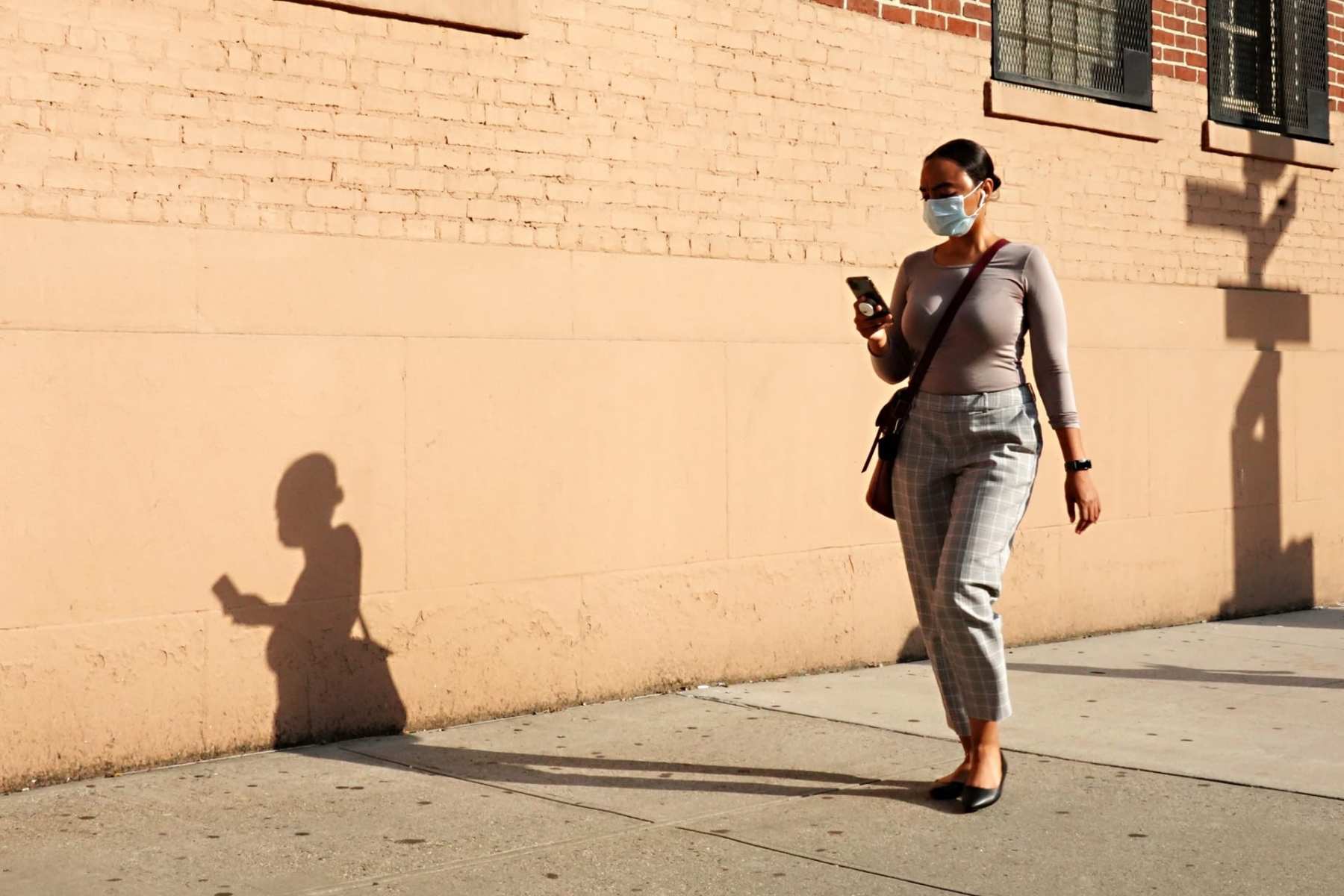
A woman walking down a street in NYC with a mask on looking at her phone.
(Photo by Cindy Ord/Getty Images)

Shefali Luthra

Reproductive Health Reporter

Published

2021-03-10 10:00
10:00
March 10, 2021
am
America/Chicago

Share

  • Bluesky
  • Facebook
  • Email

Even as racial gaps in COVID-19 cases have narrowed, young people of color have been consistently more likely than young White people to test positive for the virus in the past year, per a new analysis by the Centers for Disease Control and Prevention. Women of color between ages 15 and 24 were most likely to contract the virus.

The analysis, done on 2020 data collected from 16 American jurisdictions, builds on a vast body of evidence showing that communities of color have suffered disproportionately throughout the pandemic.  

Over 2020, the racial disparities among young people appeared to narrow as recorded cases of COVID-19 increased among young White people, catching up with the higher rates of disease among other groups.

The 19th thanks our sponsors. Become one.

Between January and the end of April, young people who identified as Black, Asian, Native Hawaiian/Pacific Islander, American Indian/Alaska Native and Hispanic/Latinx all tallied higher counts of COVID-19 per 100,000 people. 

From May until the end of August, almost all of those groups — except Asians — continued to report higher case counts per 100,000 than White people. And from September through the end of the year, all groups of young people except for Asian and Black people still had higher numbers of cases than White people.

It isn’t clear, the report authors note, whether the narrowing in racial disparities had to do with the fact that some young people — particularly those who went to reopened colleges in the fall — had more consistent access to coronavirus testing, and therefore might have been more likely to record coronavirus cases.

The CDC paper also does not explain how or why the gender gap in COVID-19 cases arose. But it likely has to do with the distinct vulnerabilities that affect young women of color, said Helen Keipp Talbot, an associate professor of infectious diseases at Vanderbilt University and a voting member of the federal Advisory Committee on Immunization Practice. 

Gender disparities in COVID-19 only emerged among people ages 15 to 24. That age group is more likely to be working and have caregiving responsibilities that would disproportionately affect women. For people ages 0 to 14, gender gaps in COVID-19 were small or nonexistent.

In fact, Talbot noted, young women of color are more likely to have frontline worker jobs — as nurses, or in retail or grocery stores — and are more likely to have to care for people who are sick. Those roles would increase their exposure to COVID-19, and add to their risk of getting sick.

“I don’t think it’s genetic. It’s more of a front-facing, frontline job issue,” she said. “Can I prove that? Not necessarily, but that would be my guess.”


Share

  • Bluesky
  • Facebook
  • Email

Recommended for you

  • Wilson Creek in North Carolina seen from a forest trail lined with trees.
    How a family swimming spot at a national forest became ‘a trap’ for an ICE raid
  • Two outreach workers pose in the open back of a red mobile health van filled with supplies and equipment.
    Running on empty: Can a red HIV outreach van outlast federal cuts?
  • Side-by-side portraits of two women. On the left, an older woman with dark hair and a warm expression wears a colorful patterned jacket and gold earrings. On the right, a younger woman with long dark hair wears a red patterned blouse and large gold earrings, looking directly at the camera.
    The women leading the farmworker movement won’t let it be defined by Cesar Chavez
  • Ken Paxton, wearing a navy suit and red tie, waves while walking onstage between an American and a Texas flags.
    Why everyone will bring Ken Paxton’s abortion record up in his Senate race

Daily Newsletter

A smart, relatable digest of our latest stories and top news affecting women and LGBTQ+ people.

Look for a confirmation sent to

Did you mean

The email didn't go through.

or Contact us for support

Become a member

Explore more coverage from The 19th

  • Politics
  • LGBTQ+
  • Health
  • Justice
  • Caregiving
View all topics

Support representative journalism today.

Learn more about membership.

  • Give $19
  • Give $50
  • Give $100
  • Any amount
  • Transparency
    • About
    • Team
    • Contact
    • Privacy Policy
    • Community Guidelines
    • Gift Acceptance Policy
    • Financials
  • Newsroom
    • Latest Stories
    • Strategic Plan
    • 19th News Network
    • Events
    • Careers
    • Fellowships
  • Newsletters
    • Daily
    • The Amendment
    • Menopause
  • Support
    • Ways to Give
    • Sponsorship
    • Republishing
    • Volunteer

The 19th is a reader-supported nonprofit news organization. Our stories are free to republish with these guidelines.