Applications for the 2026-2027 Frances Ellen Watkins Harper fellowship have now closed. Meet our 2025-26 fellows and see their work. You can also learn about 2024-25 fellows and see their work. Plus, here’s a look at the work of our 2023-24 fellows and our 2022-23 inaugural fellowship cohort.
Named for the “mother of African-American journalism,” the program was launched in 2022 to provide recent graduates, mid-career alums and former students of Historically Black Colleges and Universities with yearlong, salaried fellowships with full benefits in reporting, audience engagement and news product. In 2026, The 19th is also launching a development track. Learn more about Frances Ellen Watkins Harper below.
About the program
Frances Ellen Watkins Harper Fellows will spend a year working in reporting, audience engagement, news product and development with full-time salaries and benefits. Fellows are embedded in their respective teams and receive mentorship and professional development. We also provide career coaching to prepare fellows for their path after their fellowship.
Fellowship tracks
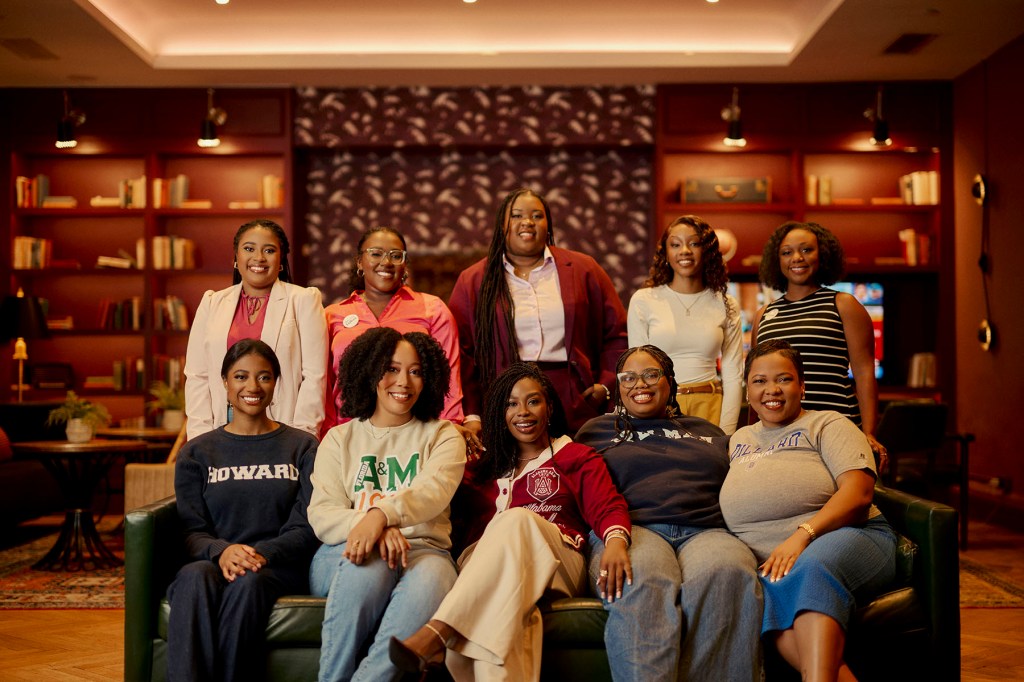
Our cohorts include two reporting fellows, one audience engagement fellow, one development fellow and one news product fellow.
NEW! This year, we’re launching a development track. The new track introduces fellows to the business side of nonprofit journalism — an area that has historically lacked representation — while building the fundraising talent essential to sustaining independent newsrooms. Designed for mission-aligned candidates with some experience in news, nonprofits, campaigns or fundraising, this learning-focused year offers hands-on exposure to how diversified nonprofit funding models and news revenue work at The 19th.
The development fellow will build practical skills in donor engagement, fundraising strategy and impact-driven storytelling, while gaining cross-departmental insight into how teams collaborate to support public-service journalism and protect editorial independence.
Fellows in the development track should expect to gain more experience in:
- Working across departments to help produce and execute The 19th’s annual membership campaigns
- Collecting, organizing and analyzing data to help inform the team’s fundraising and membership strategy
- Writing effective messaging that highlights The 19th’s journalism and mission across the organization’s products and platforms; approaching fundraising asks with a strong level of confidence
- Building and sustaining relationships with readers and donors virtually and in person
- Gaining a clear understanding of a diversified nonprofit news development model, specifically through rotations with other members of the development and finance teams
Fellows in the reporting track should expect to gain more experience in:
- Covering issues deeply through original reporting, researched context and nuanced framing
- Pitching stories they want to follow through the lens of gender, policy and politics
- Collaborating with editors and reporters on breaking news and ongoing coverage of issues central to our audiences
- Identifying and developing areas of expertise within their reporting
- Exploring storytelling across digital platforms, in-person events and on-the-ground reporting
- Centering the voices and experiences of people on the margins, who are often affected the most at the intersections of gender, politics and policy
See stories reported on by 2024/25, 2023/2024 and 2022/2023 fellows.
Fellows in the audience engagement track should expect to gain more experience in:
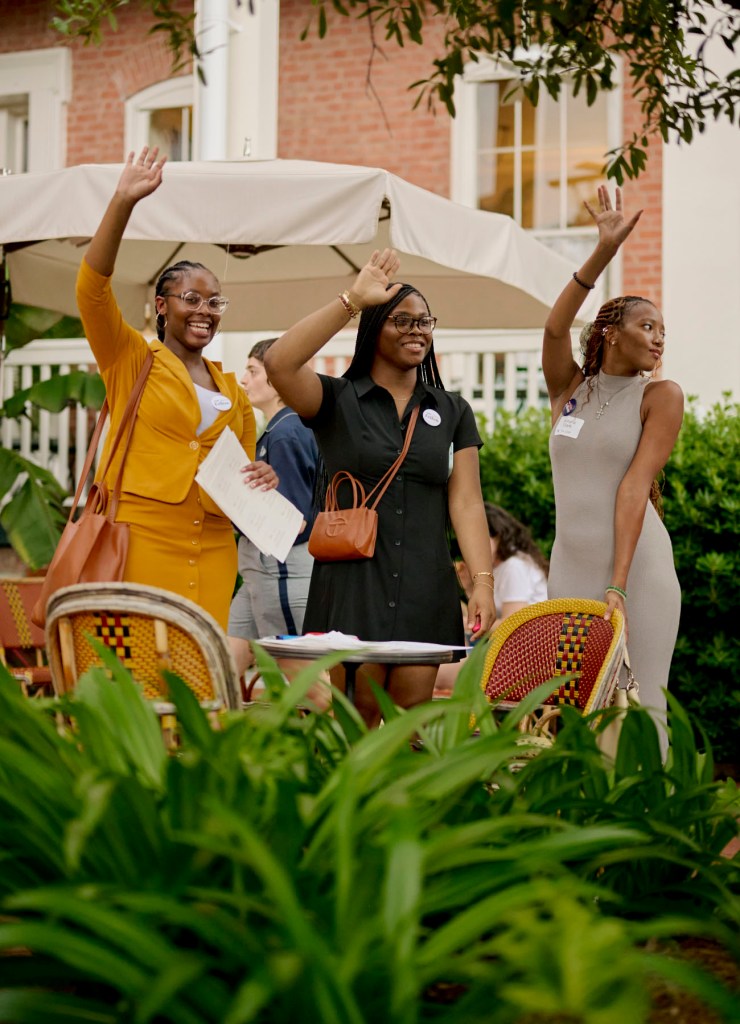
- Pitching, producing and reporting out audience-centric stories that live first and foremost on Instagram. For example, our story about gender parity in top grossing films or a Reel about Florida A&M University’s (FAMU) first woman head drum major
- Optimizing and distributing journalism across platforms — on our site, via search, on social and in newsletters — to meet different audiences where they are
- Collaborating with reporters, editors and the creative team to craft accurate, compelling headlines, social and newsletter copy, and visuals on deadline
- Working with different roles across editorial, event and product teams to execute audience engagement projects
- Using key newsroom platforms and tools to draft and schedule social media posts, update our homepage, monitor real-time metrics and trending topics, and produce an article or newsletter
This year, fellows in the news product track should expect to gain more experience in:
- Using design thinking to generate product ideas that meet audience needs, align with our mission and advance business goals
- Defining new features and experiments to test on our products, including our website, newsletters and aggregation apps such as Apple News
- Writing requirements and working with our technology team to test and ship products
- Measuring and defining the impact of our features and experiments
- Conducting user research and synthesizing learnings
- Contribute to roadmapping and quarterly planning
- Communicating goals and plans with stakeholders and triaging their feedback
The fellowship year
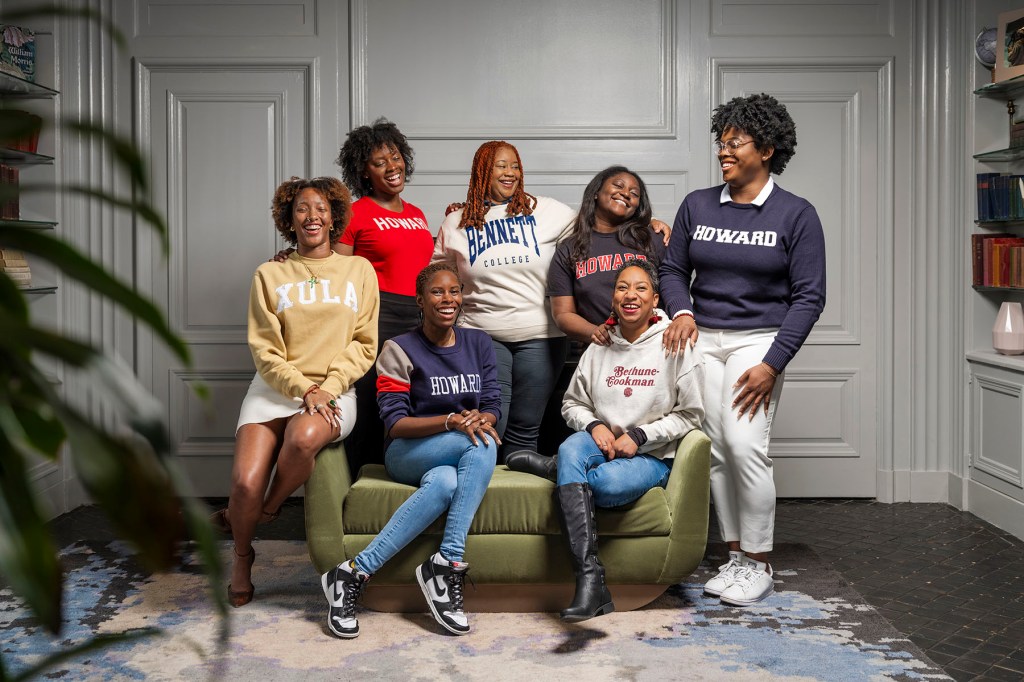
The fellowship year kicks off in the fall with an opening retreat for new fellows, held in conjunction with a 19th event in a different city every year. Both new and outgoing fellows have the chance to connect and community build. New fellows have sessions that set them up for the year and beyond, like building influence and managing up, while outgoing fellows celebrate the end of their fellowship.
Key features of the fellowship:
- A year of learning. In addition to being embedded on their respective teams, fellows experience a robust curriculum of relevant training throughout the fellowship, shaped in tandem with the cohort’s input. Previous workshops have included coping with trauma and burnout, networking, negotiating salary, refreshing résumés and portfolios, insights from hiring managers, mental wellness and financial literacy. Trainers have hailed from AJ+, American Press Institute, KHN, The New York Times, Poynter, WHYY, URL Media, The Poynter Institute and more.
- Growing your journalism network. The 19th supports fellows’ career progression by coordinating networking opportunities for fellows with journalists and hiring managers in media throughout the year via networking mixers and hiring manager panels. The 19th covers one year of membership in the National Association of Black Journalists as well as fellows’ attendance to NABJ’s annual convention and career fair during their fellowship year.
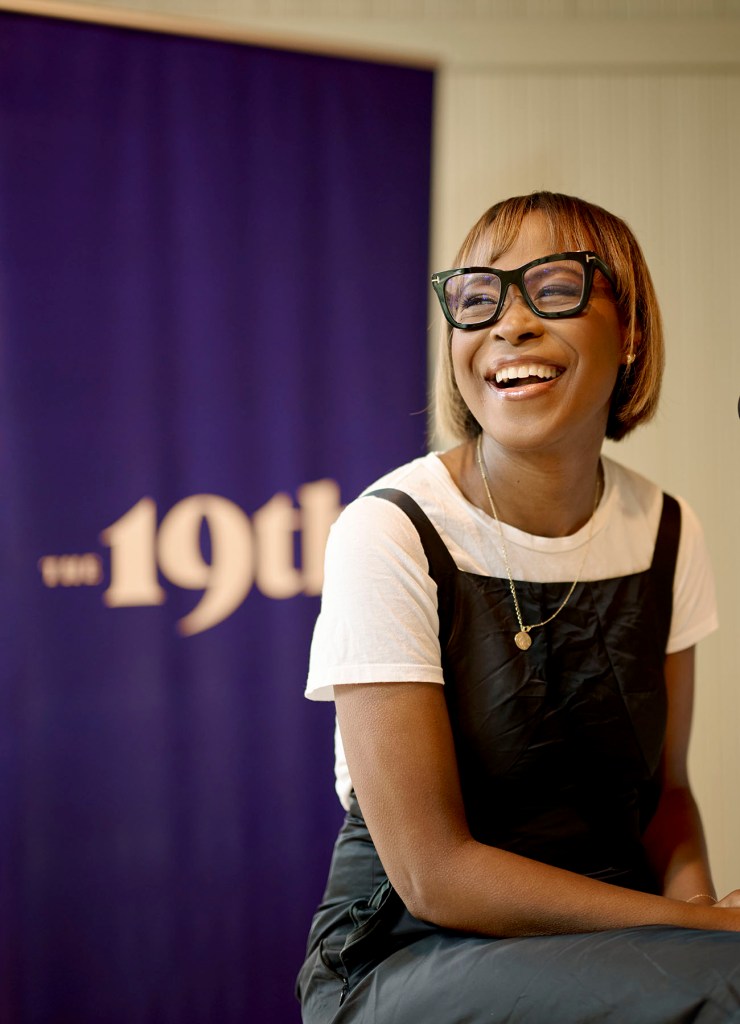
- Legendary retreats. Fellows have an opening retreat at the start of the fellowship year to prepare them for the year ahead. As part of the retreat, they also attend a 19th event. Previous fellows have been to Atlanta, New Orleans and New York. At the midpoint of the fellowship, usually in early spring, fellows have a midyear retreat in Philadelphia where program namesake Frances Ellen Watkins Harper once lived. This retreat focuses on fellows’ next career move with résumé and portfolio workshops, a networking mixer and more.
In late spring, fellows join the rest of The 19th staff at an all-staff retreat that focuses on learning, strategy and fun. Fellows have been to New Orleans, Chicago and Denver. Finally, fellows end the fellowship year with a fall celebration where they also connect with new fellows who are just beginning their year. In all, fellows attend four retreats – three fellowship-related and one with all 19th staff. Accommodations for remote participation are also available.
- Finding your career path. All fellows receive 1:1 goal-setting and coaching from The 19th’s founding director of fellowships, with support from people operations and very committed staff across the organization. Fellows also receive six months of coaching through the Digital Women Leaders network in the final three months of the fellowship and three months after the fellowship as they transition in their careers.
Fellows are supported by URL Media in landing their next journalism role. This includes personalized coaching, help identifying roles and connecting with employers, salary and offer guidance, visibility in URL’s extensive news networks and long-term career planning. Fellowship alums have gone on to land competitive roles at The Marshall Project, The Trace, The Baltimore Banner, MLK50: Justice Through Journalism, URL Media and Nonprofit Quarterly.
- Professional development. Like all 19th staff, fellows receive a professional development stipend (more on full benefits below) and are encouraged to seek out growth and learning opportunities. Previous fellows have completed Coursera courses and attended journalism conferences and seminars.
- A bonus benefit. Fellows go through detailed and constructive performance reviews mid-fellowship to expose them to the process, so they are comfortable doing so in future roles. Fellows receive a one-time merit bonus once reviews are complete.
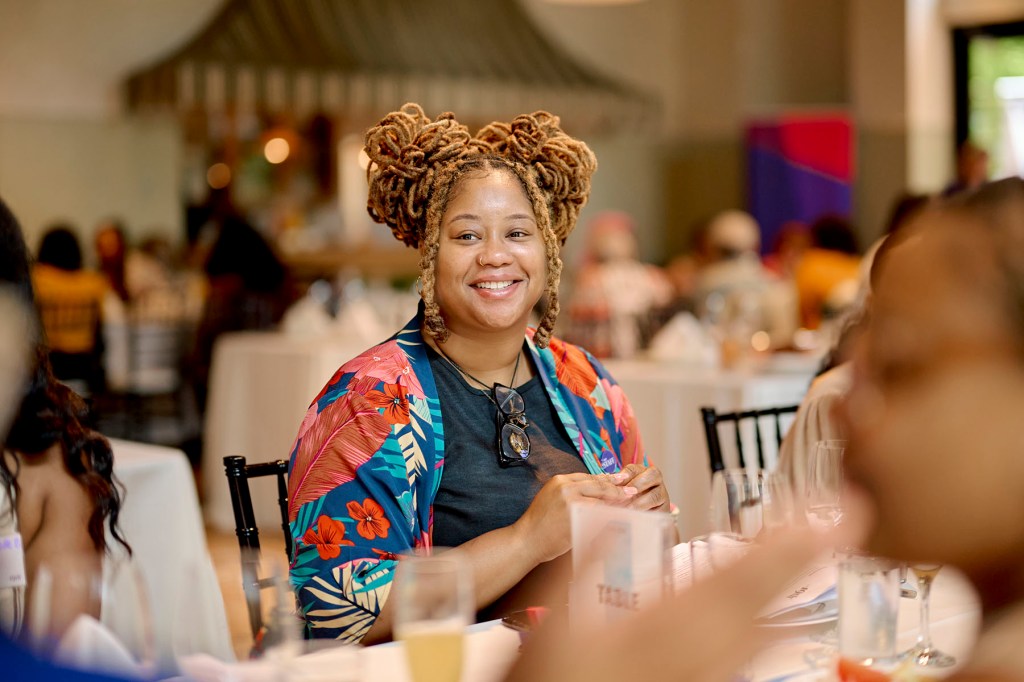
Who can apply
Eligible candidates should be any one of the following:
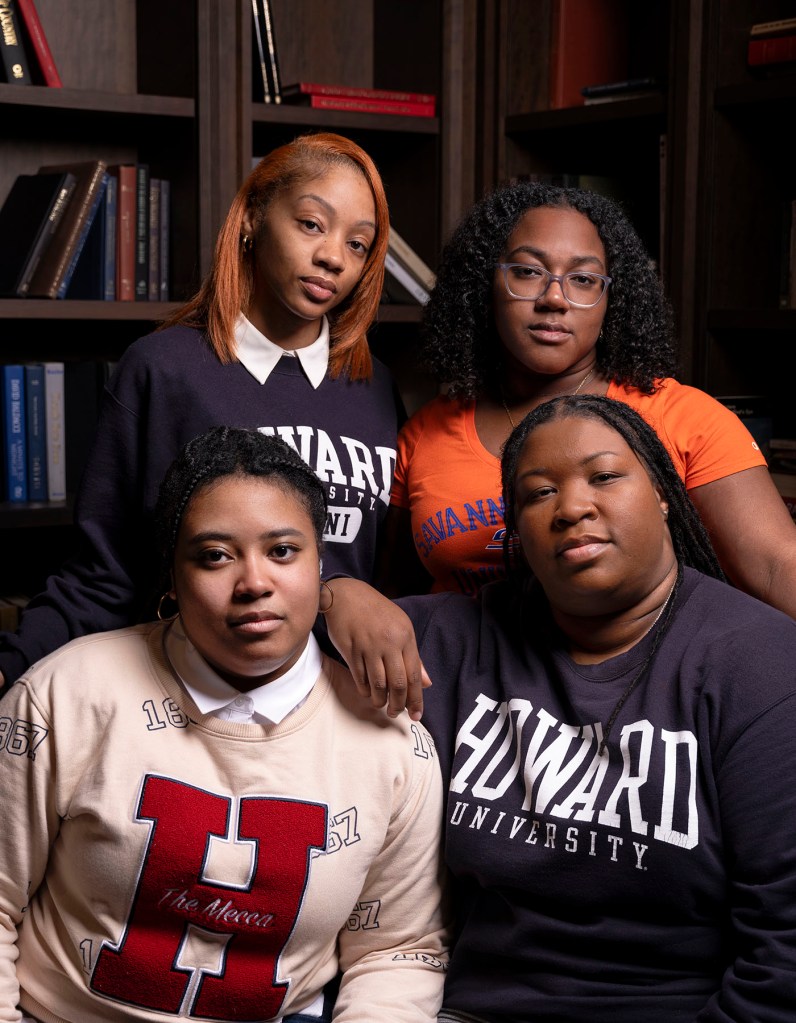
- A recent graduate (within two years of graduation), early-career (three to four years’ experience) or mid-career alum (5-10 years’ experience) of an HBCU
- A graduating senior of an HBCU with a graduation date prior to the anticipated fellowship start date of September 2026
- An individual who attended an HBCU for at least two years, and either transferred or did not graduate
- All applicants must be legally authorized to work in the United States. This can include conditional student/work visas, provided The 19th will not be required to take additional steps in sponsorship
To be considered for a fellowship, applicants must have attended an HBCU for at least two years — no exceptions. Applications that don’t meet this requirement do not move forward. We also verify both HBCU attendance and employment eligibility.
Eligible candidates should also have the following:
- Some relevant experience or applicable skills in their chosen fellowship track
- A genuine and articulated interest in growing their career and working long-term in journalism
- Alignment with The 19th’s values and community guidelines
Fellowship Benefits
- $1,500 merit bonus midway through the fellowship
- $1,000 professional development stipend, which previous fellows have used to do online courses or attend journalism conferences
- $480 work-from-home stipend and $480 wellness stipend ($960 total) paid over the course of the year
- $100/month for coworking space membership (optional)
- An Apple Macbook laptop, which fellows keep after the fellowship ($1,300-$1,500 value)
- Access to the fellowship’s hardship fund (up to $5,000 per fellow)
- Membership to the National Association of Black Journalists and attendance to their annual convention and career fair
- A mentor in their fellowship track through the Digital Women Leaders network
Support from URL Media in landing their next journalism role
Fellows will also be eligible for most 19th employment benefits, including:
- Vacation Time Off (20 days per year)
- Sick Time Off (10 days per year)
- Personal Days (6 days per year)
- Paid Holidays (20 days in 2026)
- Paid Family Leave (100% up to 6 months)
- Caregiver leave (100% up to 4 months)
- 401(k) Plan (up to 3.5% matching on 6% contribution)
- Flexible Spending Plan (for qualifying medical or child care expenses)
- Health Savings Account
- Health, vision, and dental insurance (100% covered by The 19th for employee/60% for dependents)
- Long Term and Short Term Disability insurance
- Life insurance
- Company expense account
How to apply
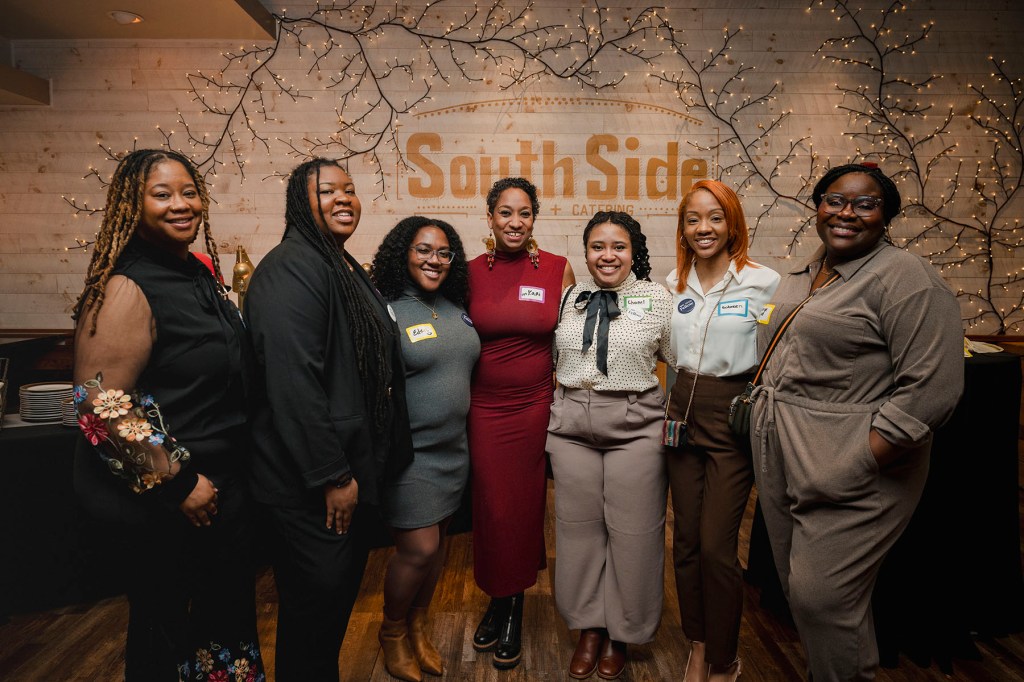
When submitting an application, prospective fellows will need to submit the following:
- A cover letter of 500 words or less explaining why you want to work at The 19th, how our mission aligns with your career goals and interests, and what impact this fellowship would have on your career goals
- Your résumé
- Relevant samples of your work
Feel free to reach out to jobs@19thnews.org if you have any questions not answered in the Frequently Asked Questions on this page.
Support fellowships at The 19th
Are you interested in supporting fellowships at The 19th? Please email development@19thnews.org for more details.
Frequently Asked Questions
-
How much are fellows paid?
Fellows receive a salary of $75,000. This also includes generous benefits. Fellow salaries do not exceed this range to ensure salary equity across all levels at The 19th.
-
What benefits are included?
Fellowship Benefits
- $1,500 merit bonus midway through the fellowship
- $1,000 professional development stipend, which previous fellows have used to do online courses or attend journalism conferences
- $480 work-from-home stipend and $480 wellness stipend ($960 total) paid over the course of the year
- $100/month for coworking space membership (optional)
- An Apple Macbook laptop, which fellows keep after the fellowship ($1,300-$1,500 value)
- Access to the fellowship’s hardship fund (up to $5,000 per fellow)
- Membership to the National Association of Black Journalists and attendance to their annual convention and career fair
- A mentor in their fellowship track through the Digital Women Leaders network
- Support from URL Media in landing their next journalism role
Fellows will also be eligible for most 19th employment benefits, including:
- Vacation time off (20 days per year)
- Sick time off (10 days per year)
- Personal time off (6 days per year)
- Paid holidays (18 days on average)
- Paid family leave (100% up to 6 months)
- Caregiver leave (100% up to 4 months)
- 401(k) plan (up to 3.5% matching on 6% contribution)
- Flexible Spending Plan (for qualifying medical or child care expenses)
- Health Savings Account
- Health, vision, and dental insurance (100% for employee / 60% for dependents)
- Professional development stipends
- Wellness and work-from-home reimbursement benefits
- Long-term and short-term disability insurance
- Life insurance
-
Where are the fellowships located?
Fellowship positions are remote so fellows can reside anywhere in the United States. Some portions of the fellowship involve travel for 19th convenings, conferences or storytelling. The 19th does not provide relocation assistance to fellows.
-
How do fellows build rapport and maintain work culture in a remote environment?
The 19th is a fully remote newsroom and building strong relationships is a big priority. Fellows are fully integrated into their teams and into the broader newsroom culture. Fellows have team Slack channels, weekly team meetings, monthly workshops that include fellows from previous cohorts and collaborative projects, as well as weekly 1:1s with the director of fellowships and track leads. We also have four in-person retreats during the year to foster connection and community.
-
What criteria do you look for when selecting a fellow?
We consider different criteria depending on the track for which the fellow is being considered (audience, development, news product or reporting). More generally, we look for:
- Some experience in the candidates’ track of interest, whether that’s through internships, campus media or a previous role
- A clear, defined intent to work in news long-term, in alignment with our goal of creating a pipeline into U.S. newsrooms
- The ability to work collaboratively and empathetically in ways that contribute positively to the dynamic of the fellows’ cohort and the fellow alumni community
- The ability to be self-driven. We provide opportunities, structure and support, but fellows also must be able to make the most of those, and direct what they’d like to learn and be involved in, and the areas in which they’d like to grow
- The talent to thrive in journalism, but perhaps not the access to opportunities in national newsrooms or legacy pathways into the industry
- A consumer of news who has curiosity and interest in what’s going on in the world
- Close and articulated alignment with The 19th’s mission and values and community guidelines
-
What are some tips for applying for this fellowship?
Review the work of current and previous fellows. Does the work they’ve produced align with your interests and strengths? Can you see yourself doing that work? Here’s a roundup of each cohort’s work: 2025-26 | 2024-25 | 2023-24 | 2022-23
Read fellows’ bios and professional backgrounds. Are you competitive for this opportunity right now? If not, what skills or experiences do you need to strengthen? Here’s more about each cohort: 2025-26 | 2024-25 | 2023-24 | 2022-23
Apply to the track that genuinely aligns with your experience. Each track requires relevant, demonstrated skills, and we’re looking for candidates who are intentional about their career direction.
Put care into your materials. Is your résumé clear, current and tailored? Does your statement about why you specifically want to work at The 19th explain this fully and offer insight beyond what we can see on your résumé? Have you checked spelling, punctuation and formatting?
Strong applications are thoughtful, specific and clearly connected to both the fellowship and the mission of The 19th.
-
How long should my statement be about why I want to work for The 19th?
Applicants have up to 500 words for this statement, which takes the place of a cover letter. We encourage you to use the space thoughtfully and intentionally. Your letter should clearly explain why you’re applying, why this track is a strong fit for you and how the fellowship aligns with your career goals. Aim to be substantive, but concise. Strong and focused is better than lengthy.
-
Are there learning opportunities between tracks? Should I apply to more than one track?
There are many opportunities for learning across reporting, audience engagement, news product and development. Fellows collaborate across teams and gain exposure to how different parts of a nonprofit newsroom operate.
That said, applicants should apply to the track that most closely aligns with their experience and career goals. Each track is designed to provide focused, hands-on training. We encourage you to demonstrate relevant experience and a clear interest in the specific role for which you are applying.
-
Can I switch tracks during the year?
Once fellows have been chosen for a particular track, they’ll need to stay in that track for the course of the year. However, fellows do have the opportunity to collaborate with each other and across teams and projects.
-
What if I can’t complete a full year of the fellowship?
We ask that fellows commit to completing a full year in the fellowship. In the event that a fellow is unable to complete a full year due to unforeseen circumstances that arise during the year, we’ll consider deferring their fellowship spot to the following year as space and resources permit.
-
Is there travel involved with the fellowship?
Some portions of the fellowship require fellows to travel. Fellows attend four in-person retreats, including a midyear retreat in Philadelphia where program namesake Frances Ellen Watkins Harper once lived. It may also include travel for conferences and/or storytelling. Accommodations can be made based on a fellow’s need.
-
Will The 19th hire me as full-time staff after the fellowship?
The fellowship lasts for one year, and we cannot guarantee employment at The 19th after it ends. However, we support fellows in preparing for their next career move throughout the fellowship. This includes tapping into our networks to help them explore opportunities at organizations they’re interested in, as well as providing guidance on applications and interviews.
-
How will this fellowship help me land my next role?
- Networking opportunities with journalists and hiring managers in media throughout the year via networking happy hours and hiring manager panels
- Résumé feedback from hiring managers in news, résumé coaching and a portfolio workshop
- One year of professional membership in the National Association of Black Journalists and attendance to NABJ’s annual convention and career fair during their fellowship year
- Dedicated time to work on résumés, portfolios, employer research and hiring manager outreach
- Support from URL Media through personalized coaching, help identifying roles and connecting with employers, long-term career planning and more
- A robust curriculum that equips fellows with the skills to secure and thrive in their next role, ex. salary negotiation and interview practice, and managing up
- Six months of coaching through Digital Women Leaders in the final three months of the fellowship and three months after the fellowship as they transition in their careers
-
What is the fellowship’s success rate in helping fellows land new roles?
The fellowship is designed to prepare fellows for long-term careers in journalism. Historically, the majority of fellows secure full-time roles within three months of completing the program. Many remain in journalism, and several have moved into national outlets, mission-driven newsrooms, nonprofits and leadership-track roles.
-
Can I freelance for The 19th once the fellowship is over?
Although some teams work with contractors on a project basis, The 19th doesn’t currently commission freelance stories. We encourage you to stay connected with us and check our careers page for future full-time opportunities.
-
Can I hold down a full-time job and do the fellowship simultaneously?
To ensure that you get the most out of this fellowship, we require fellows to commit fully to the program and not hold other jobs. This is a full-time role that includes a comprehensive career-training curriculum and travel throughout the year for conferences, staff retreats and, potentially, storytelling opportunities. We want fellows to have the time and space to fully engage—both in their specific roles and as part of a learning community with their cohort.
-
Can I freelance for other publications while I do The 19th fellowship?
Yes, but with approval. Fellows can take on freelance or other outside work as long as it’s approved in advance and doesn’t conflict with The 19th’s mission or your responsibilities. That means the work must be done outside of fellowship hours, can’t compete with or overlap with The 19th’s coverage, and can’t create real or perceived conflicts of interest.
-
Can I apply for a fellowship if I’m a senior now, but will have graduated by the time the fellowship begins?
Yes, you can apply for a fellowship if you’re a senior, as long as your graduation date is before the anticipated fellowship start date in the fall.
-
I’m not a graduating senior journalism student, I’m not working in journalism, I have no experience in journalism and don’t plan to work as a journalist in the future. Should I apply?
Short answer: this program likely isn’t the right fit.
The fellowship is designed for people with some journalism experience, whether that’s through internships, campus media or previous roles, and who are interested in building a long-term career in journalism. We don’t teach the basics, and the program is specifically meant to support a pipeline into newsrooms and future leadership in the field.
-
Is this fellowship for me if I’m not a recent graduate or an early career journalist?
Yes! This fellowship is designed for both early- and mid-career journalists who want to grow their skills, expand their networks and deepen their impact.
While many fellows are within their first few years of journalism, we also welcome — and have had — fellows with more experience who need a structured opportunity to pivot, upskill or gain newsroom experience in a new role or track. Most mid-career fellows already have some experience in the track for which they’ve applied and are seeking to grow that experience.
-
What’s the ratio of new graduates and/or early-career folks to mid-career professionals in the fellowship?
The mix of experience levels varies from year to year, but it’s always intentional. We build cohorts that include both early- and mid-career journalists who can learn from one another. Having fellows at different stages of their careers creates a dynamic, supportive environment where peer mentorship and cross-learning are built into the experience.
-
Is this fellowship only for women?
The fellowship is open to everyone, as long as they’ve attended an HBCU for at least two years and are legally authorized to work in the United States. If you’re passionate about the kind of journalism we do and meet the eligibility criteria, we’d love for you to apply!
-
Can I apply if I haven’t attended an HBCU?
To be considered for fellowships, applicants must have attended an HBCU for at least two years — no exceptions. Applications that do not meet this requirement do not move forward. We also verify HBCU attendance. The fellowship is open only to recent graduates, mid-career alumni and former students of HBCUs. Under the fellowship’s eligibility criteria, Minority Serving Institutions (MSIs) are not classified as HBCUs.
HBCUs are open to all students and give education access to students of all races, colors, national origins, religions, abilities and familial statuses. The 19th will consider candidates of all backgrounds as long as they meet the HBCU attendance requirements. We’re looking to expand the fellowship in the future, so please stay tuned for updates!
-
Why can only people who attended HBCUs apply for the fellowship?
The fellowship program’s funding is specifically designated to support HBCU alumni and former students. HBCUs welcome students from all backgrounds and provide access to education for people of all races, national origins, religions, abilities and familial statuses. The 19th will consider applicants from all backgrounds, as long as they meet the HBCU attendance and work authorization requirements.
-
Do I have to be a U.S. citizen or resident to be eligible for this fellowship?
You aren’t required to be a U.S. citizen or resident to be eligible for the fellowship. However, you must be legally authorized to work in the United States. This can include conditional student or work visas, provided that The 19th will not be required to take additional steps in sponsorship.
In circumstances where we’re able to accept non-citizens or non-residents on conditional student visas, we’d require for tax purposes that the fellow reside in the U.S. and be able to be paid as a U.S. employee.
If you’re currently a graduating senior who is also an international student, you can talk to your institution and/or international student advisor about Optional Practical Training (OPT) for F-1 students.
About Frances Ellen Watkins Harper
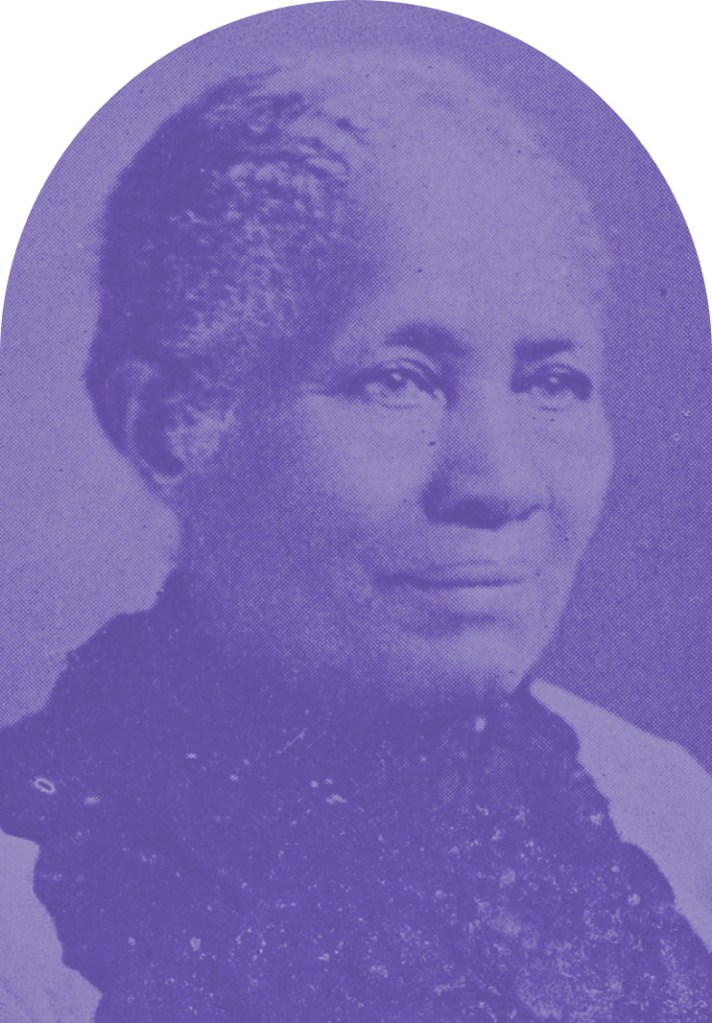
Born in Baltimore to free Black parents, Harper was a prolific writer and a correspondent for anti-slavery newspapers, including Frederick Douglass’ The Liberator. She was also a traveling abolitionist and orator who used the Underground Railroad to help people escape slavery. Over the course of her life, she was deeply and actively engaged in the women’s suffrage movement, breaking with the likes of Elizabeth Cady Stanton and Susan B. Anthony over their unwillingness to prioritize the voting rights of Black men. She was the cofounder of the National Association of Colored Women.
Harper embodied The 19th’s asterisk — she was never once able to cast a ballot. But she did not let this disenfranchisement stifle her activism or her civic engagement.
She gave a famous speech at the 1866 National Women’s Rights Convention, “We Are All Bound Up Together,” in which she spoke bluntly about White women’s suffrage: “I do not believe that White women are dew-drops just exhaled from the skies. I think that like men they may be divided into three classes, the good, the bad and the indifferent … You White women speak here of rights. I speak of wrongs.”
Harper was one of the first Black women to be published in the United States: She was the first Black woman ever to have a short story published commercially, she was the most popular Black poet before Paul Laurence Dunbar (she published 80 poems), and her novel, “Iola Leroy,” was one of the first books published by a Black woman. The author was 67 when it debuted.
She also predated Rosa Parks in refusing, in 1858, to give up her seat or ride in the “colored” section of a segregated trolley car.
Harper was a friend and mentor to other Black writers and journalists, including Ida B. Wells. She died in 1911 in her adopted home of Philadelphia.