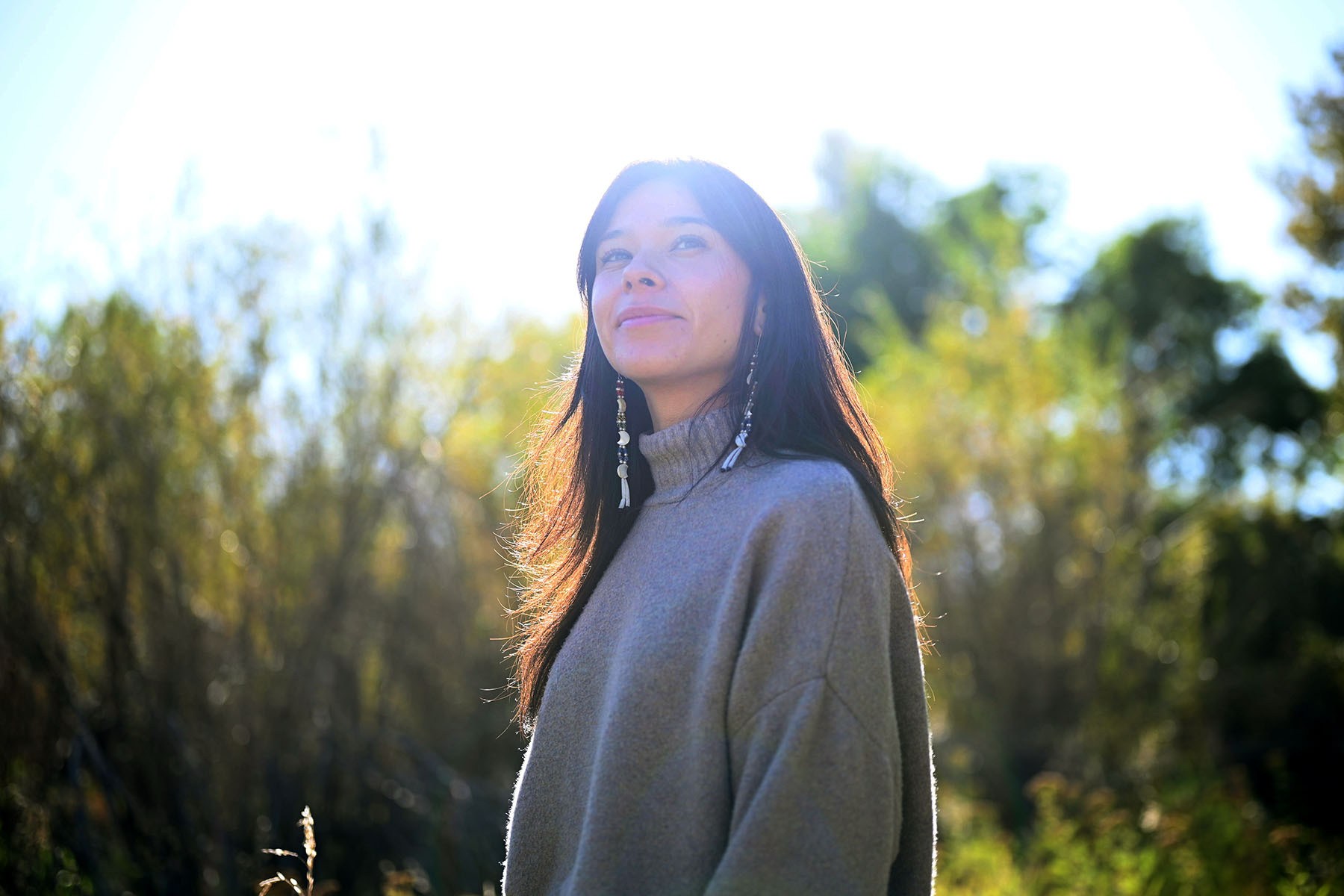

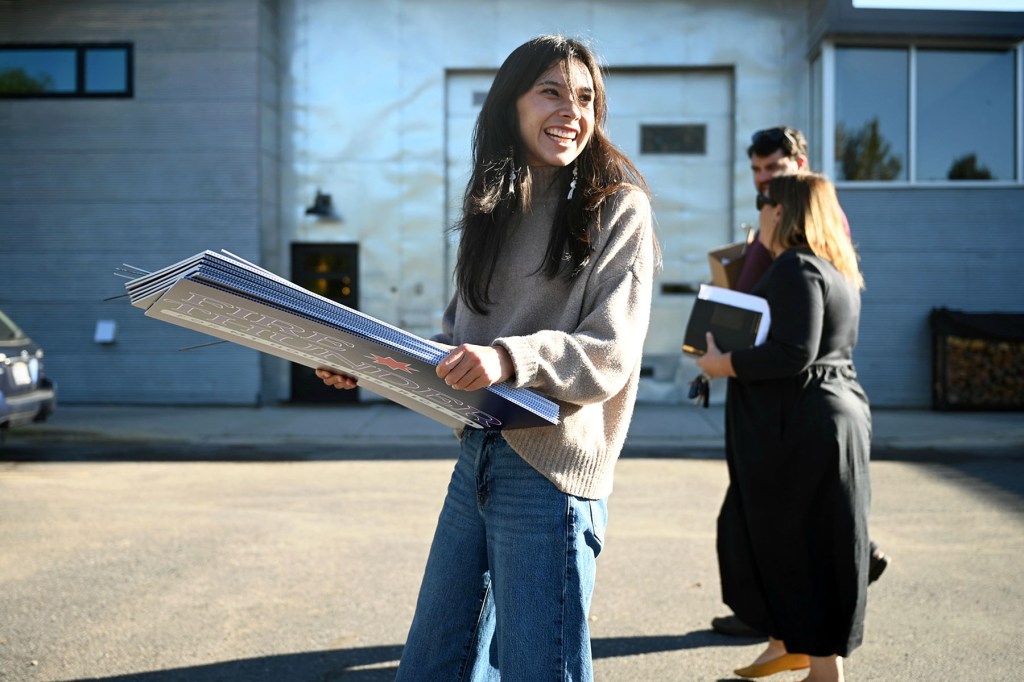
BOZEMAN, Montana — Before the evening meet-and-greet with Democratic candidates, Katie Fire Thunder has already participated in a photo shoot, put together freshly printed campaign signs with her staff and filmed an endorsement with a state senator for her Instagram page.
It’s mid-September, a little less than eight weeks from Election Day, and Fire Thunder is running to represent the state’s House District 59, a seat she was appointed to by a unanimous vote in December, when the incumbent resigned. Between campaigning and serving as a sitting lawmaker, the 26-year-old juggles her day job as a legal assistant at the county attorney’s office.
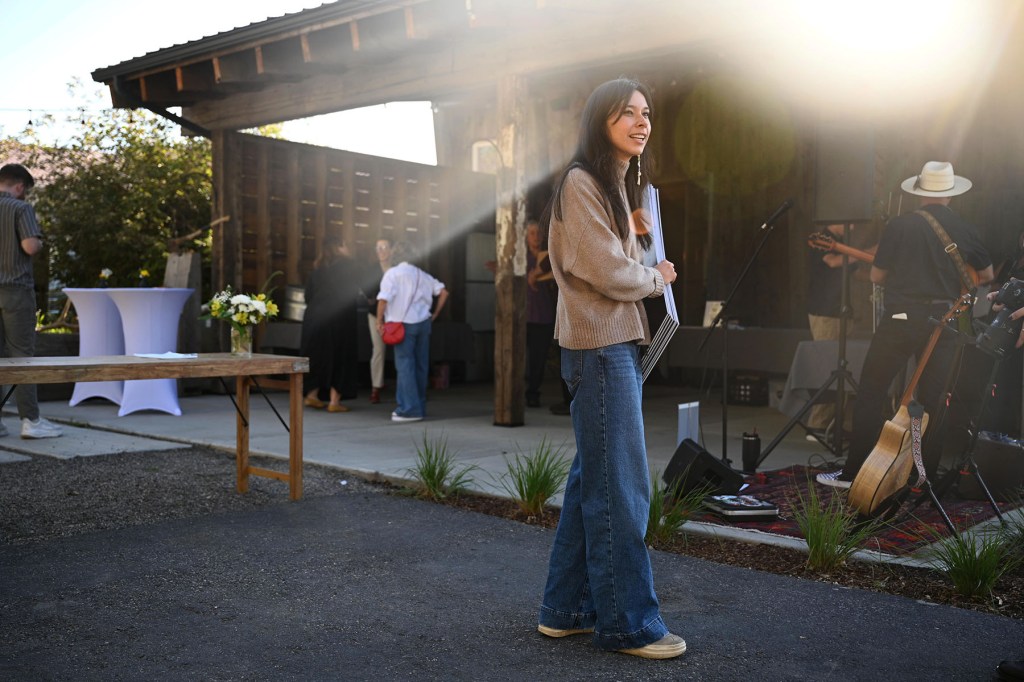
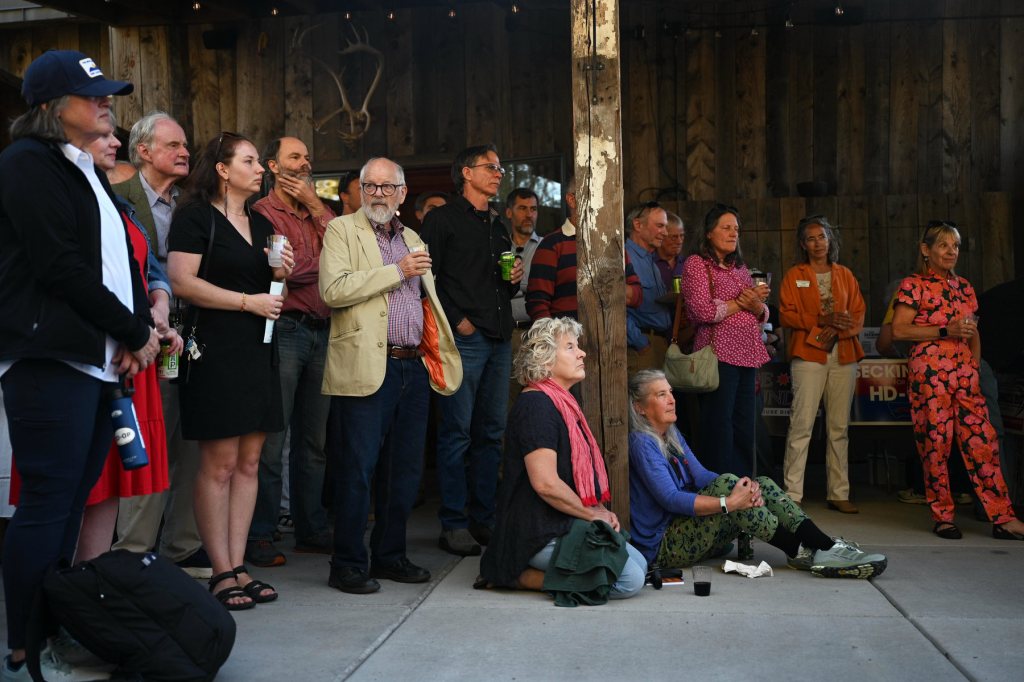
The crowd at the outdoor meet-and-greet skews older and seems enthusiastic about meeting a younger candidate who could represent their party and their district.
Throughout the evening, they come over to chat with Fire Thunder between bites of wood-fired pizza and libations as a guitarist strums Woody Guthrie in the background. One woman asks her why she’s decided to go for the seat. Fire Thunder gives a simple explanation: “I want to raise a family here.”
“That’s why I got involved,” the woman responds. “I have a 26-year-old. I know we can do better.”
Fire Thunder’s talking points throughout the evening focus on keeping that dream alive by addressing rising house prices, expanding access to healthcare and making sure wealthy transplants pay their fair share in taxes. Like other candidates her age, affordability is top of mind as her generation tries to carve out a stable life in an increasingly unstable economic environment.
Before running for office, Fire Thunder co-founded a tenant union to organize renters against rising prices and worked on a successful campaign to ban short-term rentals of homes that are not primary residences in the city. Just an hour from Yellowstone National Park, Bozeman has seen an increase in the number of vacation homes that is impacting the availability of local housing — and a surge of wealthy outsiders who started moving to the region during the pandemic. Having grown up in subsidized housing with her mother and sister, Fire Thunder fights for the working class amid these changes to her hometown because she is the working class.
But her interest in politics came much earlier: at 18, she attended a hearing on the epidemic of missing and murdered Indigenous women for a school project. Fire Thunder, an enrolled member of the Oglala Lakota tribe, remembers listening to family and friends of missing people testify before a House committee. “I was hearing stories of mothers and aunts and sisters, young girls who were crying out for how, if this bill had been passed, how a loved one in their area … could have been saved,” she said. “I just felt that immensity, like policy can mean life and death for folks.”
If she wins a full term in November, Fire Thunder would join a growing number of Indigenous women successfully seeking higher office across the country.
Nationally, Indigenous women are winning elections at higher rates than ever before, according to data compiled by Advance National Political Leadership and Indian Country Today, a nonprofit news outlet. This year, according to the organizations’ most recent data, the pool of Indigenous candidates has grown to a historic high, with at least 355 Native candidates running for office. Half of these candidates are women, 47 percent are men and 3 percent identify as trans, two-spirit or nonbinary. This year, Native women could also break two glass ceilings: Deb Haaland, an enrolled member of the Laguna Pueblo tribe, is running to be the first Native woman to serve as a governor in New Mexico, and Peggy Flanagan of Minnesota, a member of the White Earth Band of Ojibwe, and Mary Peltola, a Yup’ik Alaska Native, are running to be the first Native women to serve in the U.S. Senate. In 2024, women made up a majority of the 253 candidates running for local, state and federal office, and represented 53 percent of all candidates who won their races.
In Montana, they could break the record with seven Indigenous women potentially serving in the state legislature next year. Their wins are a result of decades of women-led organizing on the ground to turn out voters and help women like Fire Thunder see themselves as political leaders.
Native women’s involvement in Montana politics dates back to 1932, when Dolly Akers, an Assiniboine tribal member, became the first Native woman elected to serve in the statehouse.
Akers rose to prominence after being sent to Washington, D.C., in 1920, initially as a translator for members of the Fort Peck Tribes. On visits to the nation’s capital, she also advocated for universal citizenship for Native Americans. Her lobbying is credited with helping to pass the Indian Citizenship Act of 1924, which granted Indigenous people the right to vote.
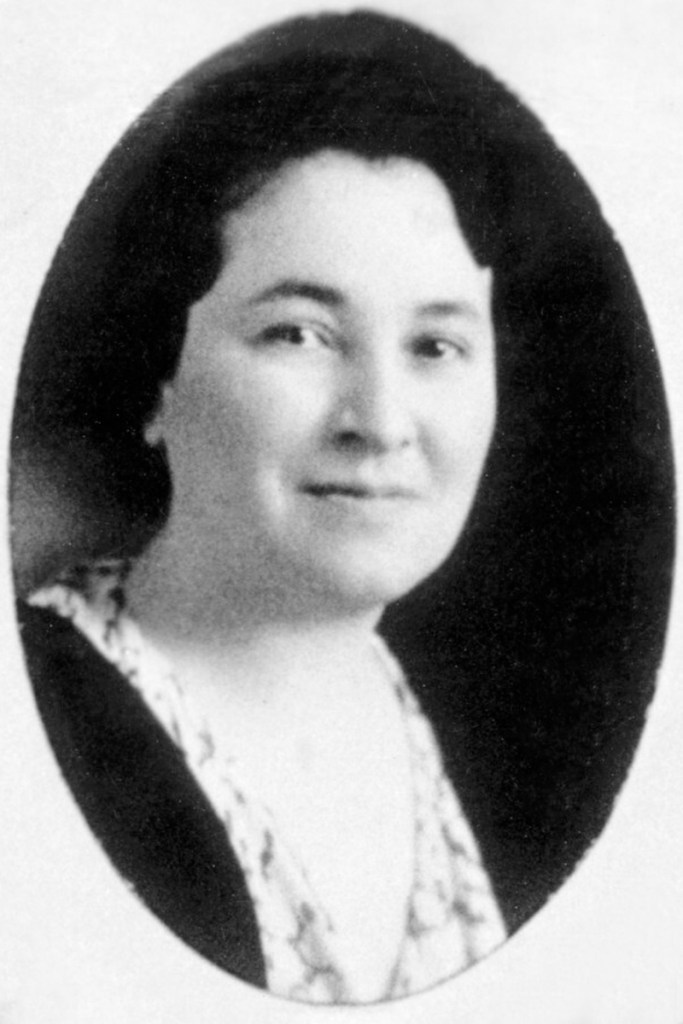
Only three other Native women were elected to serve in the legislature between 1933 and 2000. That year, redistricting efforts split up voting districts in a way that actually gave Native candidates from reservations a chance at winning seats in the statehouse and building real political power in the legislature. From there, both men and women began to see more representation in state politics, leading to the formation of the Montana American Indian Caucus in the state legislature. Last session, the caucus had 12 members; in terms of the number of Indigenous women in office, Montana was tied with Minnesota and just behind New Mexico in terms of representation.
In 2008, Denise Juneau, an enrolled member of the Mandan Hidatsa Tribes and a descendant of the Blackfeet tribe, broke another barrier: She became the first Native woman elected to a statewide office in the country after winning her election for state superintendent of public instruction.
Deniale Urbina, a citizen of the Acoma Pueblo Tribe and national program manager for Advance Native Political Leadership, credits this tradition of representation with the rising number of Indigenous women entering politics today.
“If you don’t see yourself in these positions, it’s hard to imagine yourself in these positions,” she said.
In May, the organization held a training with Western Native Voice, a nonprofit focused on growing civic engagement across tribes in Montana, and while it was open to anyone interested in running for office, the graduating cohort of six was all women.
Many participants told the organization they felt confident to run because of existing representation. “For that to be like a common reference point of an applicant, of someone who is just thinking about their own leadership for the first time, is a very unique Montana experience,” she said.
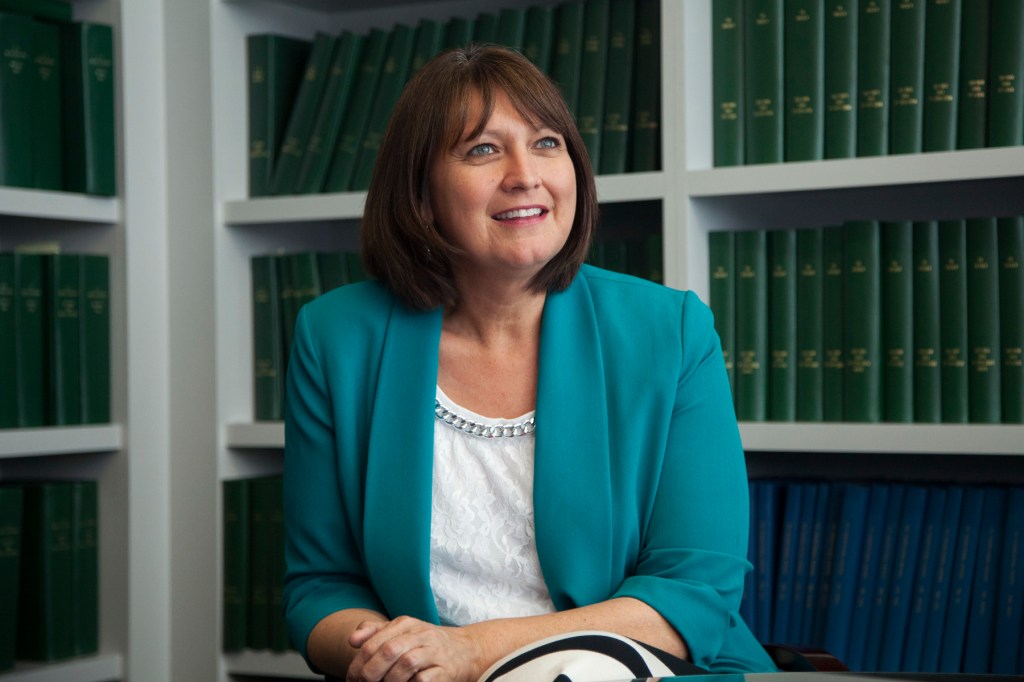
Trailblazing lawmakers like Juneau haven’t just helped the next generation see themselves in office; they continue to play an important role in the political ecosystem that gets native leaders elected and helps them be effective once in office. Juneau has been a mentor to Fire Thunder and was one of the people who wrote a letter in support of her appointment in December. Juneau also connected her with the American Indian Caucus — and its members pledged their support.
“It’s powerful Indigenous women behind the scenes organizing and doing the mobilizing work,” Fire Thunder said. “I think that being able to see that I had connections and people supporting me across the state of Montana, not just in Bozeman, is really what helped support me in getting my appointment across.”
Though Juneau is no longer a politician, she plays an important role as a conduit between tribal leaders and lawmakers to develop legislation that reflects the priorities of tribal nations in the state. This kind of support helps elected officials like Fire Thunder work with the American Indian Caucus ahead of the 2027 legislative session.
For Juneau, seeing so many women run for office has been exciting. Her own mother, Carol Juneau, was the first woman to serve as a state senator in Montana, and the only Indigenous woman serving in the House when she was elected in 1999.
“There’s so many Native women running for all the seats now, and it’s pretty awesome,” Juneau said. “What’s cool about it now is we don’t have Native people who are serving the state legislature who are just from reservations. Katie is representing an urban area; that’s been a huge progression”
Attending the hearing on missing and murdered Indigenous women in 2019 — a hearing that wouldn’t have been possible without Native women serving in the state legislature — became the spark that fueled Fire Thunder’s political career.
She began raising awareness on Facebook about the stories she heard that day, writing about Henny Scott, a 14-year-old girl from the Northern Cheyenne Indian Reservation. After Henny went missing, her mother had to organize her own search party and found her dead two weeks later. The death was never investigated despite suspicious bruising and scratches on her body.
Fire Thunder’s story went viral on Facebook. Other families started reaching out to ask her to share their cases. “I remember being overwhelmed quickly and also really sitting with the fact that Indigenous people, my people, were finding more hope in an 18-year-old girl sharing stories online than they were in their own law enforcement agencies.”
Around the same time, she started to pay attention to then-U.S. Sen. Kamala Harris ahead of her presidential run in 2020. She had watched Brett Kavanaugh’s televised Senate confirmation hearing in class and was struck by the California Democrat and former prosecutor’s demeanor toward the Supreme Court justice nominee when she questioned him about the alleged sexual assault of Christine Blasey Ford.
Watching in awe, she recalled thinking, “Who is this person?” She admired Harris’ fight for accountability and thought, “This is someone who’s going to get justice for my people as well.” So when Harris — then running for president — held a rally in Denver in 2019, Fire Thunder asked her mother if she could go. When she had the chance to shake Harris’ hand, “I felt like the only thing I could get out was, ‘My people are dying,’ and I just burst into tears and was like, ‘I don’t know what to do. They’re not getting answers. They’re relying on me.’”
Harris assured Fire Thunder she would be a voice for her Indigenous constituents, but when the time came for a Native American Presidential Forum, she noticed Harris would not be attending. Disappointed, she emailed one of the candidate’s senior advisers, who told her they would see what they could do. Harris ended up appearing via Skype. That was the first time Fire Thunder felt like, “Okay, I do have power. I do have a voice.”
Shortly thereafter, the Harris campaign reached out to see if Fire Thunder would be interested in interning for the candidate. On her 19th birthday, Fire Thunder’s mom dropped her off in Las Vegas, where she saw firsthand what grassroots organizing — door-knocking, community meetings and canvassing — looks like for campaigns. “I wanted to bring that to Montana,” she said.
When she returned home, she enrolled at Montana State University, earning a degree in political science. At the same time, she became involved in local politics and community organizing, and began working on campaigns for progressive local Democrats.
In 2022, she co-founded Bozeman Tenants United to organize renters and the working class to fight for their rights. They’ve organized in two mobile home parks, successfully banned short-term vacation rentals and secured a tenant’s right to counsel in the city, which means a pro bono attorney for those who are facing tenant evictions.
Fire Thunder said the main reason she is running as a state representative is to further this work at the state level.
For many Indigenous women, meeting a community need is exactly what ends up propelling them into politics.“I do think it’s sort of that matrilineal lens; it’s that caring for the community,” Juneau said. “Even in Bozeman, Katie, caring deeply about renters and fairness and justice for everybody in her community has just created this path of leadership for her.”
Shelly Fyant, enrolled citizen of the Confederated Salish and Kootenai Tribes and a state representative running to retain her seat, said it’s something inherent to the Indigenous women she’s worked with — and what they bring into their leadership.
“As women, we are responsible for our homes, our children, and their upbringing and the future,” she said. “Those are things that we all carry with us. They’re ingrained in us.”
To propel Indigenous women into office, it takes the work of groups like Western Native Voice, a woman-led nonprofit focused on growing civic engagement across tribes in the state. The organization was founded in 2011 by five Indigenous women who had long been involved in a fight for tribal representation in elections.
One of them was Gail Small, a member of the Northern Cheyenne Tribe, who cofounded an organization in 1984 called Native Action, which successfully led get-out-the-vote campaigns on the reservation that were credited with helping to drive up native turnout for former President Bill Clinton’s win in the state in 1992. There was also Janine Pease, an enrolled member of the Crow Tribe and a lead plaintiff in a 1983 case that won Indigenous candidates fairer elections in county and school board races.
“Community organizing has always been a part of our tribes’ history, and these women were doing the work separately on reservations mainly around voter education and voter registration,” said the organization’s executive director, Ronnie Jo Horse, a citizen of the Oglala Lakota Nation and a descendant of the Northern Cheyenne Nation.
On National Voter Registration Day, which takes place every September, Jo Horse and her staff continued in that tradition of voter education work. This past September, they helped people fill out their voter registration forms at a station they set up in the parking lot of the discount tool store Harbor Freight in Billings, Montana, where Western Native Voice is headquartered.
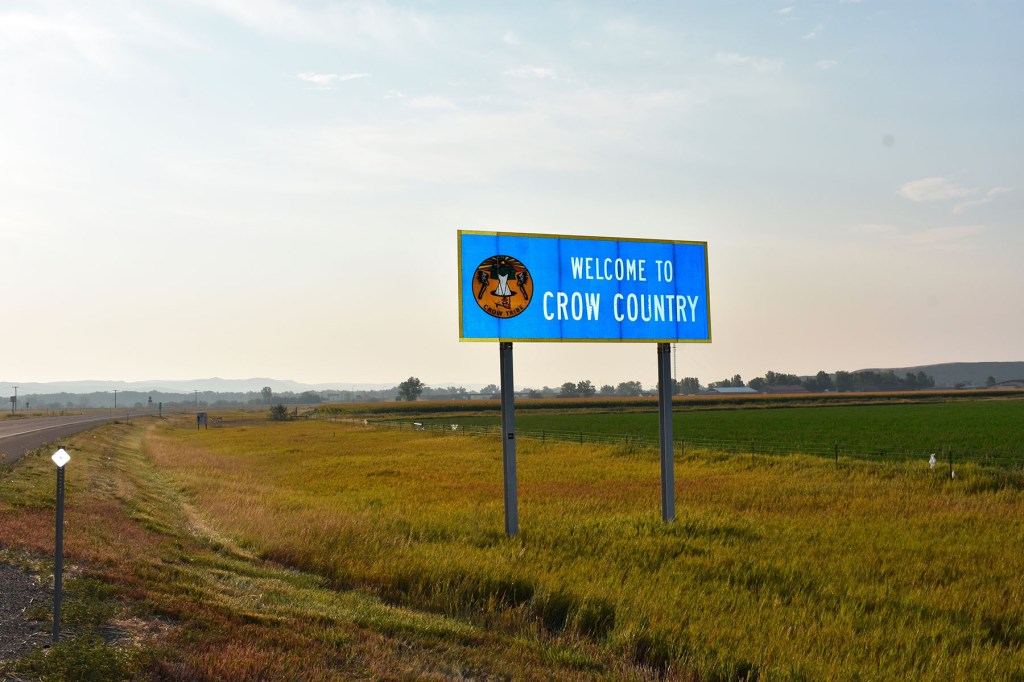
It was one of several sites the nonprofit had set up across the city, which is about 10 miles northwest of the Crow Reservation’s boundary, the largest Native American reservation in Montana.
One of the staff spoke Cree to two women who walked up to fill out their forms. A man rolled up, panicked that he had filled out his earlier form incorrectly. Another was asking how long it would take when a staffer simply brought the clipboard to him. “You don’t even need to get out of the car,” she told him as he began to open the door.
The goal was to make it as easy as possible to vote in the upcoming election. It’s the gritty work of civic engagement that Western Native Voice has become known for, and that is powered by women both on the ground as volunteers and in nonprofit leadership. It’s the kind of work that helps leaders like Fire Thunder get elected.
More recently, Western Native Voice has focused on growing and supporting political leaders through civic engagement work, and by starting a state and federal PAC to support candidates. Jordan James Harvill, a Cherokee and Choctaw citizen and senior director of national programs for Advance Native Political Leadership, said the work of Western Native Voice and Jo Horse is crucial to some of the wins Indigenous politicians are seeing in the state.
In 2016, his organization analyzed 20 states with higher Indigenous populations to understand which had support for native civic engagement in place. Only a few stood out, he said. “Montana was one of them.”
“These organizations are crucial infrastructure inside of states in order to make sure that candidates are recruited, trained, and then making sure that they are supported as they run,” Harvill said.
While Fire Thunder was not trained through Western Native Voice, the organization invited her to speak to the next generation of women leaders at their May training.
She talked about her own experience entering politics and how she never expected to run for office if not for the people who encouraged her along the way. She also talked about the importance of more women running to keep these seats.
“I’m a young Native woman who is here and stepping up in this role, but it is hard,” she told them, adding, “I need you all to be up here with me.”
As the event winds down in Bozeman, Fire Thunder is tapped to tell the crowd a little bit about who she is and what she’s accomplished. Apart from her work in tenant rights, she also has a passion for the justice system; she works as a legal aide under Gallatin County Attorney Audrey Cromwell.
Since joining the statehouse in December, Fire Thunder has served on the Law and Justice Interim Committee, which has historically struggled to find bipartisan ground, she told the crowd. “I had pretty low expectations of what I would be able to do, and really just wanted to hear what the issues were and how we could strengthen our criminal justice system.”
To her surprise, after attending a fellowship to learn more about the prison system, she was able to work with two far-right members of the Republican Freedom Caucus to draft a bill that will create an independent corrections oversight agency. “This will be an opportunity for families to have an outside resource to file complaints and grievances,” she said.
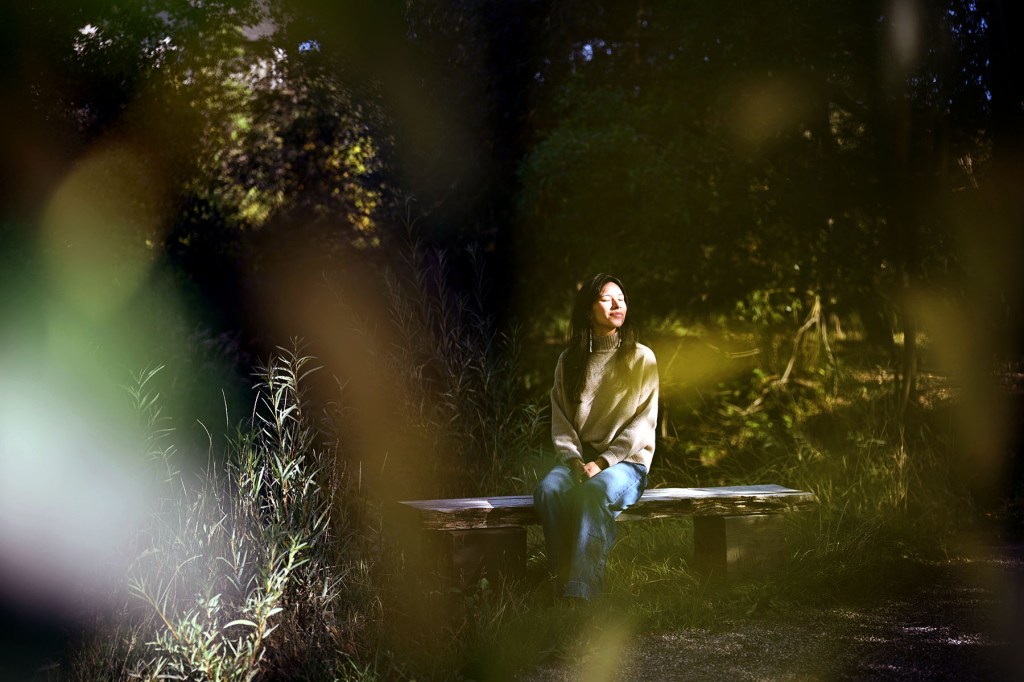
The win she described to the crowd was informed by touring facilities and talking with incarcerated people, many of whom are Native, she told The 19th in an interview. Thirty-seven percent of incarcerated women in Montana are Indigenous despite making up less than four percent of the state’s population.
As a legislator, Fire Thunder said she’s able to meet with these women and put the skills she’s honed since attending her first hearing back in 2018 to the test. “[I’m] able to connect with families who are incarcerated, and to give public testimony and share their story in front of our committee,” she said.
But in her new role, she’s no longer the 18-year-old who traveled all the way to Denver to get the attention of a presidential candidate to protect her community from a failing criminal justice system.
“As a state legislator, I know I’m not alone,” she said. “I have people all across the state really rallying and cheering me on, supporting me, which feels really good.”
To check your voter registration status or to get more information about how to vote and what’s on your ballot, visit vote.org.