
Women of color took on the majority of new jobs created during the pandemic to do contact tracing, and to test and vaccinate Americans, experts said. But as sites ramp down, the future of that workforce is now uncertain.
The pandemic has created an opportunity for new movements in industries that haven’t organized before — movements also led by women.
Members describe the groups, where people sell or exchange formula or flag stores that have it in stock, as "life-saving."
Low-income parents who receive government assistance to buy baby formula, known as WIC, must purchase it in stores. But amid a national shortage, families in rural areas are left with few places to look.
Nail salon workers are still fighting to get paid minimum wage, and that may mean banding together to overhaul the entire industry.
The portal, which will be available until November, is now open for families with children who do not file taxes and who have still not received the child tax credit.
Days since it was revealed the Supreme Court will likely overturn Roe v. Wade, few companies have spoken out on the issue at all.
Some of the elements Alito describes in the opinion are still a work in progress. In other cases, they are leaving out some of the most vulnerable Americans, experts say.
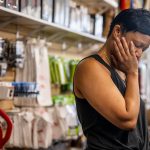
As grocery prices rise, women have few places to turn. Some report skipping meals, federal food benefits have not kept up and food pantries are also starting to feel the impact.
In almost every state, at least one out of every two women of color is working a low-wage job, according to a new analysis by Oxfam.