
How the pandemic has widened the Latina wealth gap
Latinas, already at a financial disadvantage, faced a “triple crisis” during the pandemic: higher COVID-19 infection rates, greater economic losses and increased family-work conflict.

Latinas, already at a financial disadvantage, faced a “triple crisis” during the pandemic: higher COVID-19 infection rates, greater economic losses and increased family-work conflict.

Helpr, one of the fastest growing apps offering backup child care, is behind new legislation in California that would require big employers to give their workers subsidized backup care.
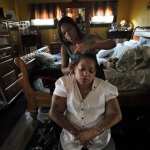
The American Jobs plan would allocate $400 billion to assist in home health care, a historic investment, but one expert says it may not be enough.

A historic expansion of the child tax credit to make it available to the poorest families is now law. But the change will be in place for just one year — for now — and it’s still unclear when families will begin to receive checks.

Democrats, Republicans and business groups are rallying around a bill to give pregnant workers better accommodations in the workplace. It’s likely to pass this year.

Women make 82 cents for every $1 earned by White men. Occupational segregation, a child care crisis and lack of pay transparency keep women at a disadvantage.

Less than two months after the president signed an executive order to address racism against the AAPI community, a man killed six Asian American women in Atlanta.

Wendy Chun-Hoon, the new director of the Women’s Bureau at the Department of Labor, speaks with The 19th about what needs to inform policies during a perilous time for women in the workplace.

My grandfather died of coronavirus two weeks short of receiving a vaccine. His death gave me a new appreciation for our great communal loss and the burdens so many of us now carry.

A year after the start of the pandemic, women describe their lives on the front lines, the losses they’ve endured and the ways in which they are forever changed.