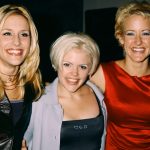
The Chicks were silenced over politics. 20 years later, those lessons shaped country music’s new generation.
Margo Price, Lindsay Ell and Harper Grae spoke to The 19th about the ramifications of being ‘too popular, too opinionated, too loud.’

Margo Price, Lindsay Ell and Harper Grae spoke to The 19th about the ramifications of being ‘too popular, too opinionated, too loud.’
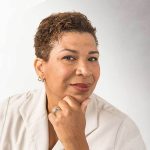
As the veteran journalist prepares to host the flagship morning show, she reflects on how journalism has evolved on everything from how it covers racism to how it treats mothers.
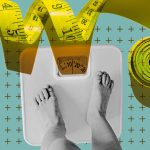
Some experts fear that reinforcing a social framework that stresses that a child’s body size is something to be “fixed” could cause serious lifelong problems for children of all body sizes.
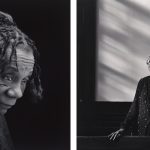
The Smithsonian American Women’s History Museum aims to address holes in representation of women’s lives, work and stories, which are often overlooked in museums and social studies textbooks.

Daisy Alpert Florin spoke with The 19th about why her debut novel’s reflections on consent in 1998 feel especially relevant in today’s world — five years after #MeToo.
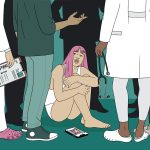
Standard eating disorder treatment programs — often designed around White women — don’t make room for gender variance, contributing to the problem rather than the solution.

Black women in the field are working to disrupt eating disorder stereotypes, which create a vicious cycle that prevents people of color from getting diagnoses and treatment.
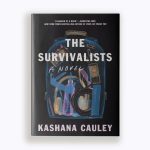
In Kashana Cauley’s debut novel, one Black woman wonders if you can ever really be prepared for the worst — especially in today’s America.
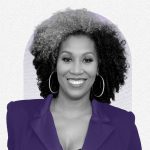
The “Color Me Country” host says the genre has historically been for — and by — everyone, including people of color.
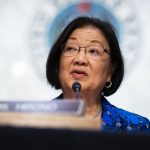
Patients who are miscarrying face so much ‘chaos and fear’ as states tighten abortion restrictions, Sen. Mazie Hirono said in urging Danco Laboratories to petition the FDA for the change