
North Carolina passes 12-week abortion ban
The abortion ban, which now goes to the governor, could severely curtail already limited access in the South. And if they all vote together, Republicans could override a veto.

The abortion ban, which now goes to the governor, could severely curtail already limited access in the South. And if they all vote together, Republicans could override a veto.

Twelve Americans — patients, doctors, politicians, activists — relived the uncertainty and chaos of losing federal abortion protections. This oral history chronicles their stories.

The decision, issued Friday, delays a ruling from a federal appeals court and will allow abortion providers to continue providing the drug as usual for now.

Faced with a complex risk calculus, some clinics will continue offering mifepristone they have stockpiled, while others are preparing to drop medication abortion altogether.
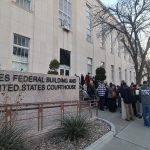
A federal judge in Texas blocked the FDA's approval of mifepristone. Another in Washington state issued a conflicting ruling. The matter now seems poised to head for the Supreme Court.
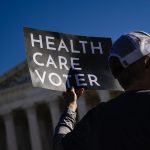
The ruling eliminates an Affordable Care Act requirement to cover PrEP medication, screening for sexually-transmitted infections, breastfeeding support and other measures that affect reproductive health.

Though speaking out requires them to relive losing their wanted pregnancies, four plaintiffs told The 19th they're doing it because they know they're 'not the only ones like this.'
Florida has become a crucial access point for abortion in the region. A six-week ban could stop the wave of out-of-state patients coming in to access the procedure.

The Republican governor already has the backing of some anti-abortion groups. Passing more stringent restrictions on abortion could help cement that.

Funds have halted abortion-related work since June, when Roe v. Wade was overturned. Resuming that work could affect hundreds of pregnant people in Texas, which is the largest state to ban abortion.