
After new law, a look inside one of South Texas' last abortion clinics
In Texas’ Rio Grande Valley — one of the poorest regions in the country — getting an abortion was already difficult. Now, it’s nearly impossible.

In Texas’ Rio Grande Valley — one of the poorest regions in the country — getting an abortion was already difficult. Now, it’s nearly impossible.

Those who want to end a pregnancy are doing their best to travel beyond state borders in the aftermath of a strict anti-abortion law. Some are succeeding. Many are not.

The federal government is asking a judge in Texas to block the state’s six-week abortion ban. Its argument could hold up, legal experts say.

When asked why the state’s new abortion restriction doesn’t provide exceptions for rape and incest, his answer misstated what six weeks of pregnancy really means.

Abortion opponents say they expect Republican-led states to copy Texas’ six-week abortion ban, which so far has withstood legal challenges.
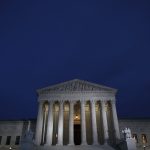
In separate dissents, Justices Sotomayor and Elena Kagan used strong language to decry 5-4 Supreme Court decision allowing Texas’ six-week abortion ban to continue.

Texas-based patients put pressure on abortion clinics in other states — and with it demands on abortion funds.
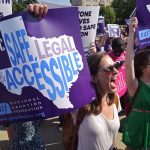
The strictest abortion restriction in the country is set to go into effect Wednesday. Experts say that even if the law is eventually blocked, the damage will have been done.

All 11 of the Planned Parenthoods that provide abortion care have stopped scheduling visits related to abortions past six weeks of pregnancy.

The ban would allow private citizens to sue anyone who they believe helped someone get an abortion after six weeks.