
Medical experts worry about fallout from Supreme Court abortion ruling
The January ruling holds that people seeking medication abortions must pick up the pill in person — going against an emerging medical consensus.

The January ruling holds that people seeking medication abortions must pick up the pill in person — going against an emerging medical consensus.

Research suggests the restrictions, which stem from the so-called “Mexico City policy,” have increased unintended pregnancy rates abroad. Advocates are calling for the policy’s permanent end.

In what he’s calling his “Rescue” plan, President-elect Joe Biden laid out his economic proposal to get aid to families, child care centers, schools and those hardest hit by the pandemic. The plan would need support from Congress to pass.
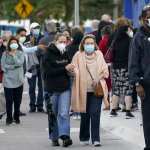
It’s unclear if the changes will meaningfully speed up vaccination, especially if the government doesn't also tackle hurdles such as funding for vaccine outreach and addressing misinformation.

Barriers such as paid time off, transportation and child care make frontline workers — who are disproportionately women — particularly tough to reach.

The more conservative Supreme Court will likely embolden lawmakers to pass restrictions that could run afoul of Roe v. Wade.

Some parts of the president-elect's health care agenda — which would particularly affect women and LGBTQ+ people — are likely to gain traction.

Have you received a COVID-19 vaccine, or are you scheduled to get one soon? What has the process been like? We want to hear from you.

With her party's slim majority in the House, Nancy Pelosi wins re-election as speaker. Now, eyes turn to the upcoming Senate runoff elections.

President-elect Joe Biden will inherit the coronavirus crisis and several other health care problems.