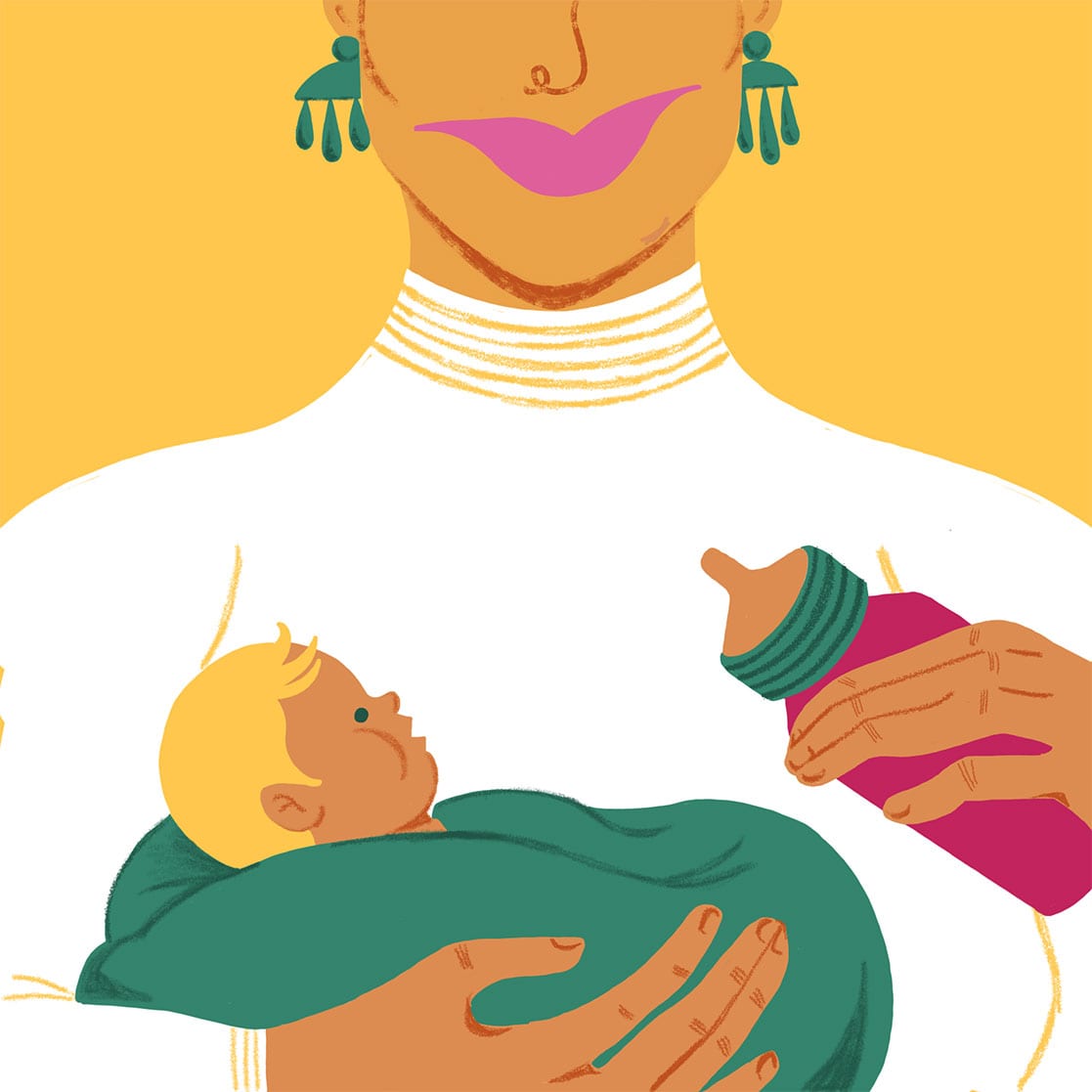

Weeks after Buffy Wicks gave birth to her daughter, the lawmaker was denied a request to stay home and have someone vote at the state Capitol on her behalf. There are lessons for other legislative bodies to do better, warn women in elected office.

Despite efforts to make domestic work more egalitarian in the household, women continue to bear the burden of providing care for children. Some researchers attribute declining maternal workforce participation to rising child care costs. On the labor side, more than 90 percent of child care workers are women.
Weeks after Buffy Wicks gave birth to her daughter, the lawmaker was denied a request to stay home and have someone vote at the state Capitol on her behalf. There are lessons for other legislative bodies to do better, warn women in elected office.

Educators want their safety to also be a priority in the return to school. But some are still being held to contracts that threaten fees or a suspension of their license if they quit.
The decision this month highlights the patchwork of laws and administrative rules around the country for parents seeking elected state and local office.
The long-term ramifications of the pandemic on political campaigning are still unclear, but there are signs that mothers could be disproportionately affected.
Double-digit unemployment. Increased hours of child care. Lost hours and benefits. In three months, women lost a decade’s worth of economic advancement. How long will it take to catch back up?
The first-of-its-kind nationwide portrait shows that, on average, middle-income areas are most likely to be in child-care deserts, along with areas with heavily Latino populations.
As states reopen their economies, some have yet to issue a specific plan for child-care facilities. Industry groups predict that a third to half of child-care centers may not reopen at all.