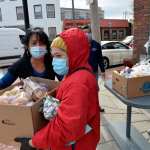
How the pandemic has widened the Latina wealth gap
Latinas, already at a financial disadvantage, faced a “triple crisis” during the pandemic: higher COVID-19 infection rates, greater economic losses and increased family-work conflict.
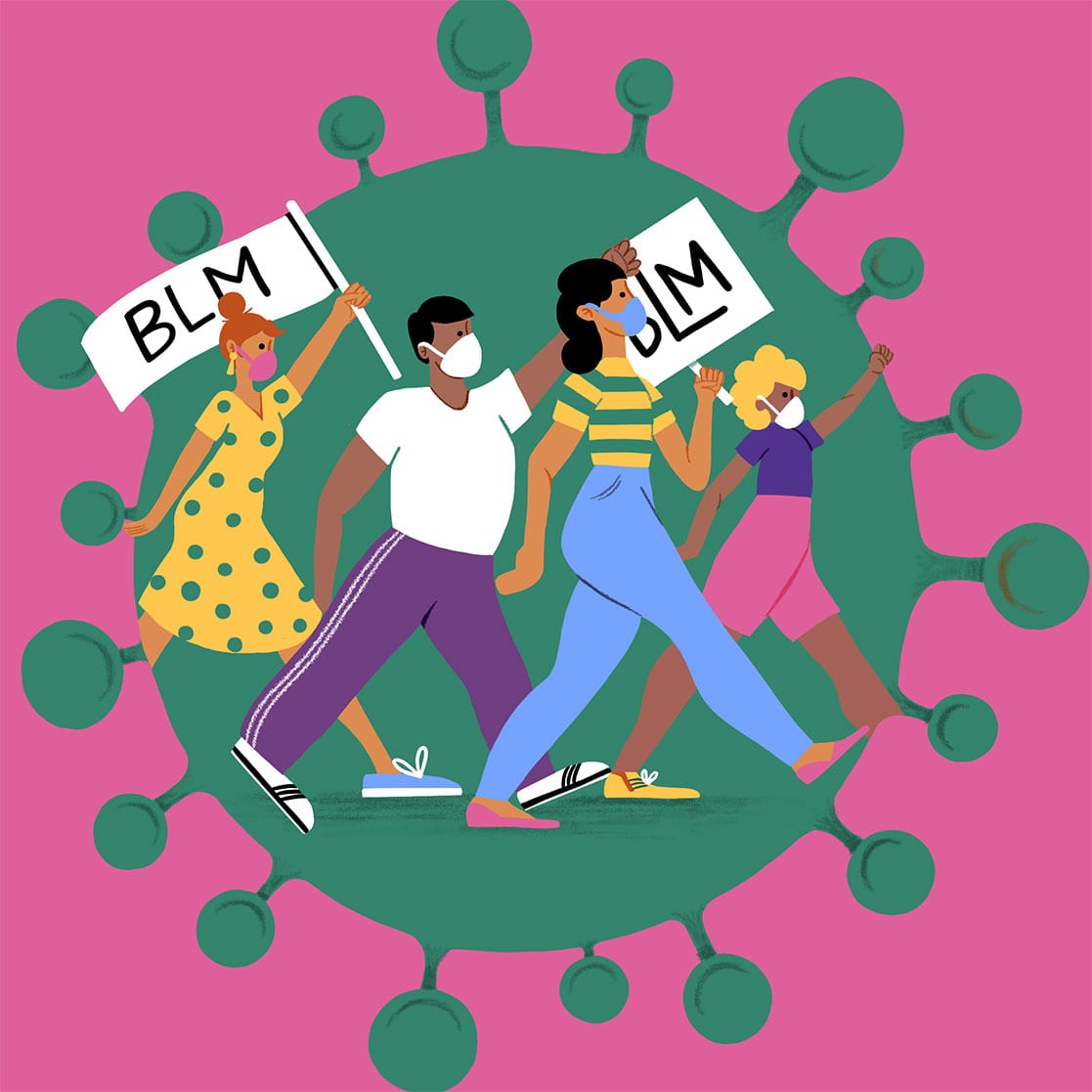
Black Americans are disproportionately suffering from a set of dual ills: the novel coronavirus and systemic racism. Evidence shows Black Americans are more likely to fall sick from or die from Covid-19. Concurrently, they are also more likely to die from police brutality. These are just two symptoms of the systemic racism that has disadvantaged Black Americans for hundreds of years.
Latinas, already at a financial disadvantage, faced a “triple crisis” during the pandemic: higher COVID-19 infection rates, greater economic losses and increased family-work conflict.
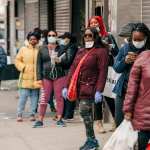
“This analysis complicates the simple narrative that men are dying at greater rates of COVID-19 than women,” one Harvard researcher said.

Amira Carson-Carey has spent the past year fighting for equitable health care for her infant son — from repeat heart surgeries to COVID infections — amid a pandemic and a summer of racial reckoning.
In a conversation with The 19th, Drs. Rochelle Walensky and Marcella Nunez-Smith discuss the country’s vaccination distribution plan.
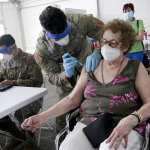
If the national vaccination campaign does not prioritize racial equity, experts worry, "we will not be able to stop this pandemic."
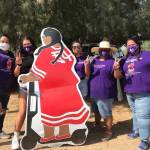
How some tribal women are getting out the vote in communities long beset by voter suppression and newly impacted by the deadly coronavirus.
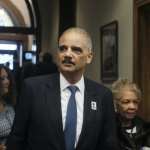
The former U.S. attorney general spoke to The 19th about voter suppression, redistricting and the importance of Breonna Taylor’s case.
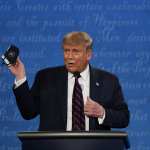
The president called COVID-19 the “China plague” and refused to denounce white supremacy, comments that incited fear in some voters.
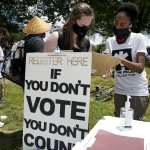
Voters will be listening for the presidential candidates to address systemic racism and police violence at the debate, activists say.
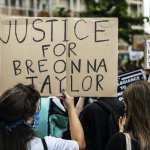
The announcement comes after a $12 million settlement for the family and months of Black Lives Matter protests.