
Americans are struggling to consistently get enough nutrition. Cisgender women and transgender people — both of whom have suffered disproportionately in the COVID recession — are at the greatest risk.
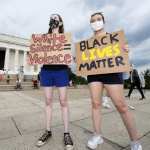
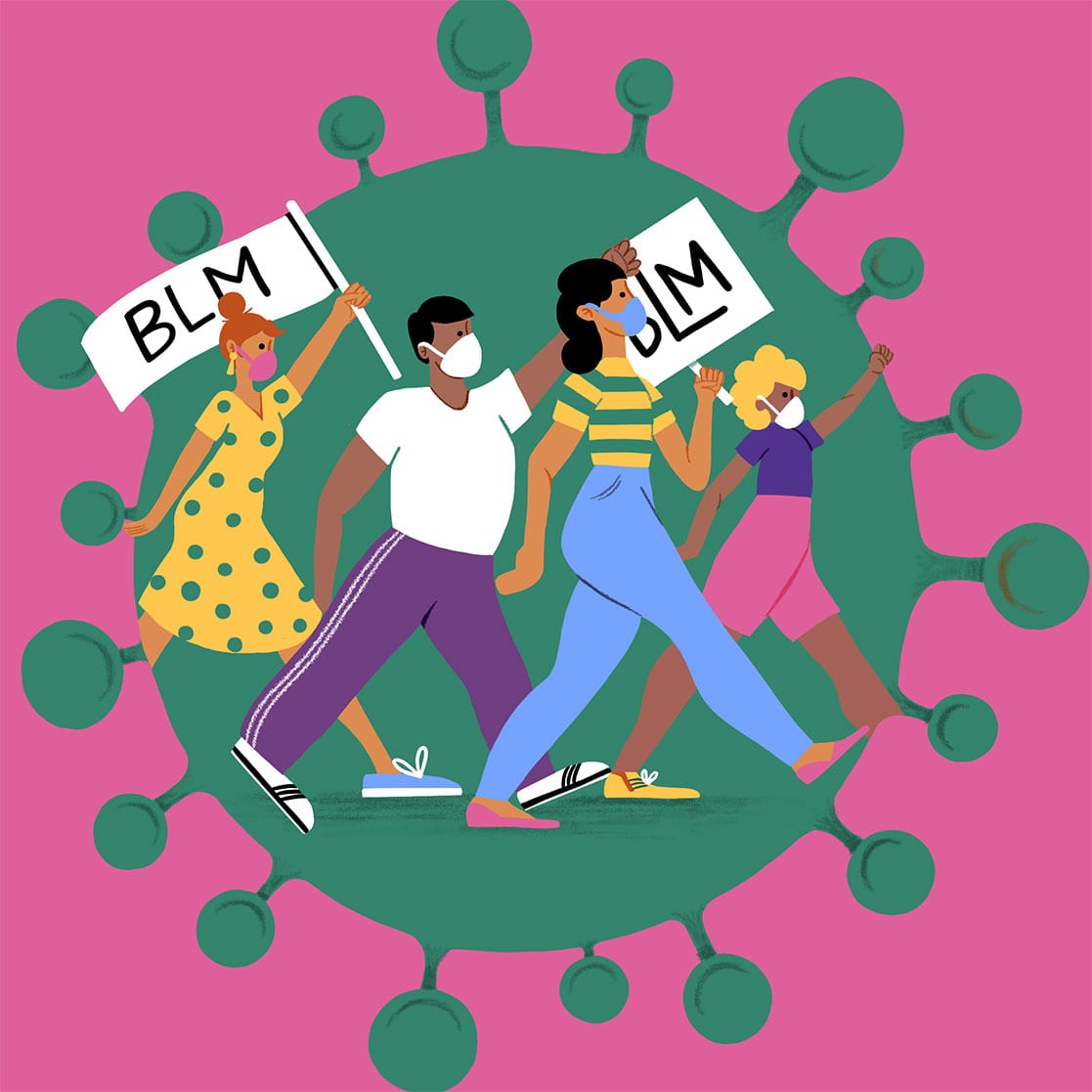
Black Americans are disproportionately suffering from a set of dual ills: the novel coronavirus and systemic racism. Evidence shows Black Americans are more likely to fall sick from or die from Covid-19. Concurrently, they are also more likely to die from police brutality. These are just two symptoms of the systemic racism that has disadvantaged Black Americans for hundreds of years.
Americans are struggling to consistently get enough nutrition. Cisgender women and transgender people — both of whom have suffered disproportionately in the COVID recession — are at the greatest risk.
Black women have lost hundreds of thousands of jobs due to the coronavirus. But long-held, systemic racism had already put them in a precarious position.
Bush’s primary win in Missouri’s 1st District means the movement could be elevated into federal halls.
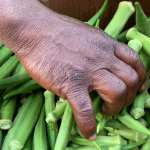
Farmers, activists and city planners nationwide are pivoting in light of the pandemic’s impact on food access. In Mississippi, that also means restoring a fraught connection with land.
The former national security adviser and ambassador doesn't think elected experience is a necessary qualification for the vice presidency.
The Minnesota senator addresses her record on race and lessons on inequity she's learned from the pandemic.
On March 13, the 26-year-old aspiring nurse was killed in her apartment, shot eight times by Louisville police officers who officials have said were executing a drug warrant. The family has sued.
A coalition of mostly Black female activists is asking public health officials to extend their stay-at-home orders.
The 19th spoke with the former 2020 Democratic presidential candidate during Black Maternal Health Week about issues including maternal mortality, pay equity, benefits for low-wage workers and how the pandemic could impact the 2020 election.