
Judge allows Texas woman to terminate pregnancy after lethal fetal diagnosis
Kate Cox, 31, at 20 weeks pregnant, has learned her fetus has a lethal abnormality that is almost always fatal at birth.

Stories published in partnership with The 19th News Network, a collective of national, regional and local publishers seeking to advance racial and gender equity in politics and policy journalism.
Kate Cox, 31, at 20 weeks pregnant, has learned her fetus has a lethal abnormality that is almost always fatal at birth.

A growing share of people are getting pregnant in their late 20s, 30s and even 40s. But it’s unclear whether the United States is prepared — medically or socially — to care for older first-time parents.

In post-Roe America, the medical and legal stakes associated with losing a pregnancy are high, especially in the 14 states where abortion is now almost entirely outlawed.
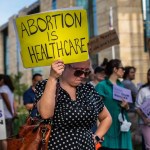
In an emergency request, the Center for Reproductive Rights is asking a judge to allow Kate Cox to terminate her pregnancy after she received a lethal fetal diagnosis.

An Arizona Supreme Court judge who once accused Planned Parenthood of committing genocide has agreed to recuse himself from a case involving the organization that will determine the future legality of abortion in the state.

The FDA has finally proposed a ban on formaldehyde in hair straighteners, and new regulations on the cosmetics industry take effect next month. But one activist called them “a floor, not a ceiling.”

In West Virginia, providers and parents are feeling the impact on the other side of the "child care cliff."

A federal audit shows some states don’t conduct federally required screenings.

A section of the state's Bill of Rights still gives the legislature the power to limit marriage to opposite-sex couples.