
Democrats and Republicans keep colliding over contraception
Access to contraception is broadly popular, but an interview with former President Donald Trump this week drew attention to his party’s reluctance to protect it.
Access to contraception is broadly popular, but an interview with former President Donald Trump this week drew attention to his party’s reluctance to protect it.
The new Disability Reproductive Equity Act marks a new chapter in disability history, where more organizations are willing to work together on reproductive rights and justice issues.

Under the legislation, Louisiana would become the first state in the nation to categorize mifepristone and misoprostol as dangerous, signaling a new policy issue for the anti-abortion movement nationwide.

A letter signed by physicians from all 50 states asks the high court to uphold a federal law called EMTALA, which is being challenged by the state of Idaho.

This excerpt from “Undue Burden: Life and Death Decisions in a Post-Roe America” by The 19th’s Shefali Luthra looks at just how far away abortion can be in some parts of the country.

With fewer patients, clinics have to scale back, pivot or close. Ballot measures this November could restore abortion access — but may come too late.

In Florida, Arizona and Texas, laws that target undocumented people or deny them driver's licenses make it especially difficult for them to travel out of state for care.

In the uphill fight for Rick Scott's Senate seat, Debbie Mucarsel-Powell is urging voters to see the state's abortion ban as a threat to the liberties their families sought in the United States.
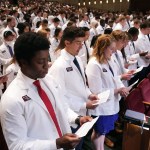
Uncertainty has bled into the world of medical education, forcing some new doctors to factor state abortion laws into their decisions about where to begin their careers.

Led by Andrea Campbell of Massachusetts, the top lawyers from blue states want to use shield laws, legal hotlines and “reproductive justice” units to secure abortion rights.