
Women may be more worried about COVID-19 vaccines. Experts say addressing their fears is essential.
Women typically play a big role in helping their family members navigate the health system, so any skepticism could have powerful implications.
Women typically play a big role in helping their family members navigate the health system, so any skepticism could have powerful implications.

The data paints an incomplete picture of the first people to get vaccinated but underscores the large number of women in health care and nursing homes.

Johnson & Johnson's one-shot vaccine is 85 percent effective against severe illness, and could be far easier to deploy.

Increased staffing, personal protective equipment and testing contributed to the mounting financial crisis that could jeopardize the care of thousands of older Americans, many of whom are women.

The January ruling holds that people seeking medication abortions must pick up the pill in person — going against an emerging medical consensus.

In what he’s calling his “Rescue” plan, President-elect Joe Biden laid out his economic proposal to get aid to families, child care centers, schools and those hardest hit by the pandemic. The plan would need support from Congress to pass.

Only about half of child care jobs lost at the start of the pandemic have returned, leading to a 144 percent increase in the number of parents who have missed work to care for children, according to new data analysis.
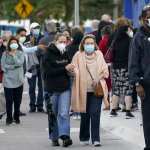
It’s unclear if the changes will meaningfully speed up vaccination, especially if the government doesn't also tackle hurdles such as funding for vaccine outreach and addressing misinformation.
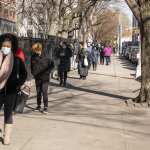
Barriers such as paid time off, transportation and child care make frontline workers — who are disproportionately women — particularly tough to reach.

Two other Democratic lawmakers introduced a bill to fine their colleagues who refuse to wear a mask on Capitol grounds during the pandemic.