
How safe is summer camp? Depends on their COVID-19 precautions
Directors talk about a difficult year of planning and how vaccines, early testing and quarantine helped some of them safely lift mask restrictions altogether.
Directors talk about a difficult year of planning and how vaccines, early testing and quarantine helped some of them safely lift mask restrictions altogether.

Jails, especially small and rural facilities, struggle to provide adequate physical and mental health care for women, experts say.
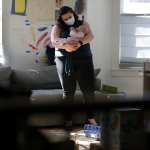
Does COVID-19 immunity transfer to the fetus during pregnancy? Yes, for a little while.
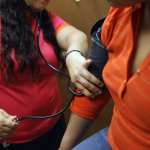
Twelve states have refused to expand Medicaid eligibility. Data shows that women would benefit most if they did.

Sha’Carri Richardson, Brianna McNeal and Naomi Osaka were barred from competition or fined after choosing how to handle their health. Experts say the system isn’t built for them.

The highly contagious variant could thwart efforts to fully end COVID-19 crisis, Dr. Marcella Nunez-Smith told The 19th.

The pop star’s plight drew headlines, but many people in conservatorships have even fewer options.

Bans on taxing menstrual products are growing around the country. Advocates are cheering the victories, but they want legislatures to take faster action because of the ongoing effects of the pandemic.

League officials worked hard to communicate with players about health concerns and continue to implement distancing measures for fans, a move that sets them apart from several other professional sports leagues.
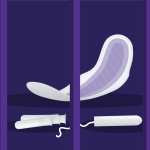
Many prisons charge for menstrual products. And access is limited even in facilities where pads and tampons are free.