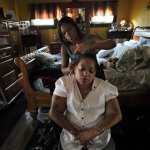
A first-of-its-kind investment in home care is in the works. But will it be enough?
The American Jobs plan would allocate $400 billion to assist in home health care, a historic investment, but one expert says it may not be enough.
The American Jobs plan would allocate $400 billion to assist in home health care, a historic investment, but one expert says it may not be enough.

Six women who received the vaccine developed rare blood clots and low platelet levels. It's not clear if there was a causal effect.

Women are more likely to have experienced psychological consequences from the public health crisis. The health care system may not be equipped to respond.
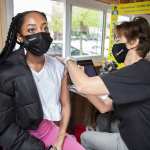
Touted as a tool for equity, the vaccine is on hold after six women developed blood clots soon after getting a shot. The complications are still exceedingly rare.

The state is the first to extend postpartum Medicaid coverage, so people keep insurance for a year after giving birth. Others are likely to follow.
Lack of internet and limited outreach means about a quarter of adults 65 and older still aren't vaccinated. Early evidence suggests women are more vulnerable.
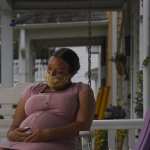
Recent legislation made steps toward expanding coverage, but millions of Americans are still uninsured. Addressing that could help close gaps for many pregnant people.
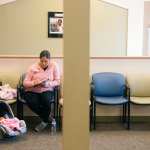
The United States ranks worse than any other wealthy nation for pregnancy-related health, and new data suggests high rates of uninsurance among low-income people could be a reason why.

The restriction would have particularly affected Black women and Latinas, who remain disproportionately affected by the recession.
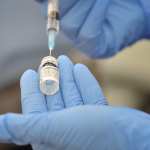
This hesitancy is most common among White Republican-leaning mothers — with more than half planning to opt out when a coronavirus vaccine is available for children.