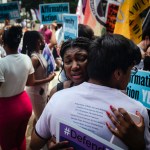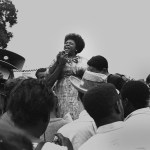
Fannie Lou Hamer’s testimony at the 1964 DNC shook the nation and highlighted the fact that many people didn't realize that Hamer had a disability — or how it played into her activism.

Many domestic violence survivors qualify for unemployment insurance, can take time off to go to court or can ask for workplace accommodations. But few even know those laws exist and fewer employers are following them.
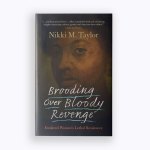
In her new book, “Brooding Over Bloody Revenge,” Nikki M. Taylor expands the narrative around the history of slave rebellions by centering the women who took justice into their own hands.
Diversity advocates are pushing to end legacy admissions while conservatives are taking steps that will make it harder for students of color to go to college, critics say.
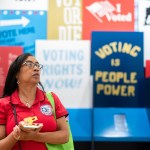
Without voting policy on the state and federal level, experts are concerned about big ramifications for how voters will be able to weigh in on issues like abortion, the economy and gun violence.
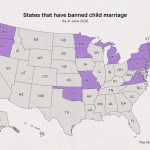
Child marriage was legal in all 50 states until 2018. Since then, 17 states have passed bans, and advocates continue to push lawmakers to end the practice.
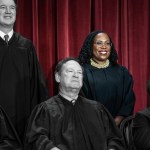
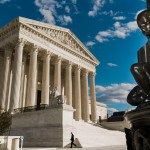
In her first year on the Supreme Court, Jackson's words have offered historical context as the majority-conservative bench has weighed in on rights for historically marginalized groups.
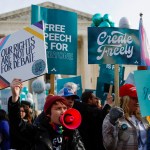
At issue was whether a Colorado web designer had a First Amendment right to reject making wedding websites for queer couples. The court ruled that she does.
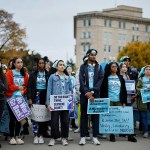
University presidents and education reform advocates are decrying the Supreme Court opinion, calling the decision "a true step back."
Since 1978, the court has allowed colleges and universities to consider the race of applicants. That decision was reaffirmed repeatedly until the current ruling by the court’s conservative majority.