
Editor’s note: This article has been updated throughout.
A measles outbreak that has infected at least 3,300 people in the United States so far this year — a 35-year high — continues to put a spotlight on the role of vaccines in preventing highly contagious diseases. Most of the measles cases reported this year have been among people who are unvaccinated or whose vaccination status is unknown.
This comes as childhood vaccination rates keep declining and the number of people seeking vaccine exemptions for their children is climbing. Though measles can impact people of different ages, it is considered a childhood disease. Unvaccinated children under 5 years old are among those who are most at risk for severe illness, and any child under six months old is too young to get a vaccine that can help prevent measles. Two unvaccinated children in Texas were among the three measles deaths reported last year. In late August, Pennsylvania reported two measles-associated deaths involving a newborn and an infant.
Parents and caregivers, in particular mothers, make important health decisions for their families. Here’s what parents need to know about measles and the vaccine that helps prevent the disease.
What is measles? How serious is it?
Measles is a highly contagious airborne disease that spreads when an infected person breathes, coughs or sneezes. If you do not have immune protection from measles and you come into contact with a person who has been infected — or even if you enter a room where an infected person was in the previous two hours — it is highly likely you will get infected.
According to the American Academy of Pediatrics, symptoms for measles include:
- fever
- cough
- runny nose
- red, watery eyes
- a skin rash
Measles can make people very sick: 1 in 20 people get pneumonia; 1 to 3 in 1,000 people get brain swelling (encephalitis); and 1 in 1,000 people die. Children who are infected with measles typically stay home from school to recover while a small percentage are hospitalized for treatment. And since symptoms can emerge over several weeks, parents could be out of work for a prolonged period of time to care for their child and keep them in isolation.
The deaths of two children with measles last year in Texas were the first in the United States in a decade and the first measles deaths involving children since 2003.
How do you prevent measles?
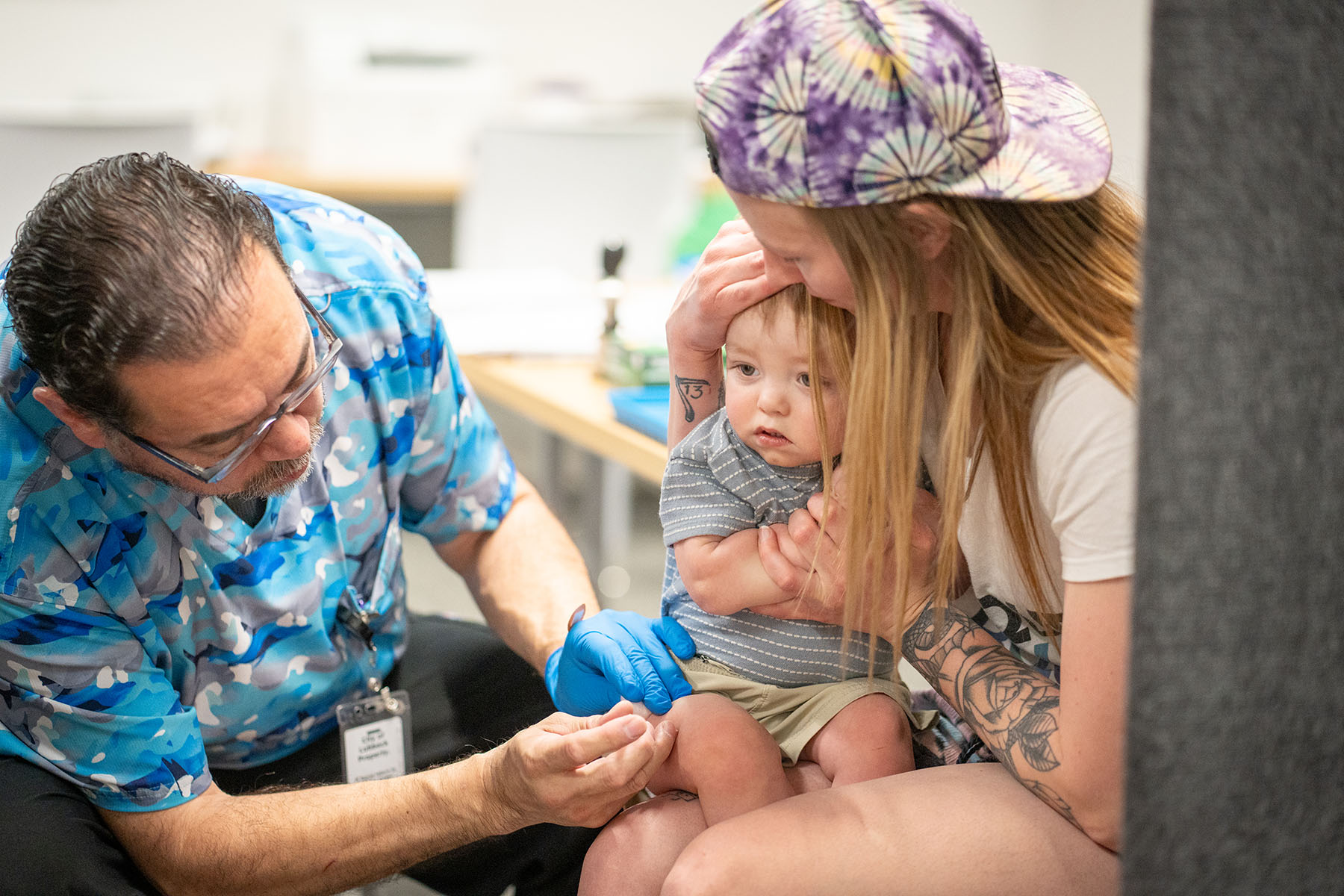
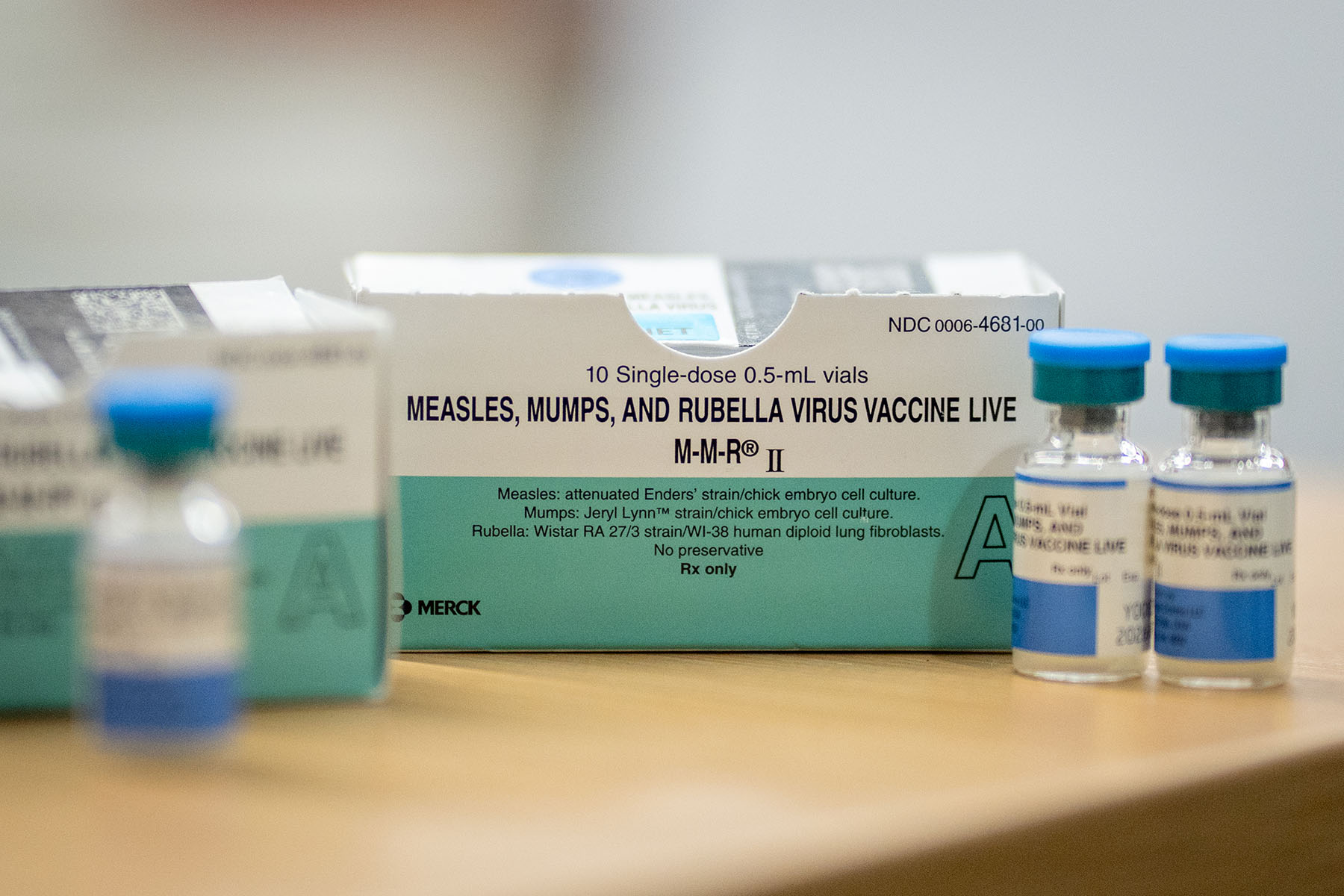
Vaccination is the key to measles prevention. The measles-mumps-rubella (MMR) vaccine provides 97 percent protection from measles and helps prevent hospitalization, long-term injuries and death. Because the disease is so contagious, community protection from measles requires at least 95 percent immunity to prevent outbreaks.
The federal government, which is facing a legal challenge for trying to reduce the number of vaccines it recommends to children, still encourages parents to get their kids the MMR vaccine. The American Academy of Pediatrics’ childhood vaccination schedule includes the MMR vaccine.
How often do measles outbreaks happen in the United States?
The widespread use of vaccines has meant that measles has not been common in the United States — so much so that it was declared eliminated from the country in 2000.
That has changed as parents increasingly decline to vaccinate their children, with emerging instances of measles outbreaks, which involve three or more cases. In 2019, there was an uptick in measles cases, with a major outbreak reported in New York. In 2023, there were four outbreaks. In 2024, there were 16 outbreaks. There were 48 outbreaks reported last year, and as of early September of this year there have been 38 new outbreaks.
The total number of measles cases in the United States has exploded in recent years. There were 59 confirmed cases in 2023, followed by 285 in 2024 and 2,289 cases in 2025. This year’s cases toppled last year’s by the middle of summer.
There have been large measles outbreaks between 2025 and this year in Texas, South Carolina and Utah. The latest epicenter is in Pennsylvania, where officials have reported nearly 700 cases.
Measles still regularly occurs in many parts of the world, said Dr. Lori Handy, associate director of the Vaccine Education Center at Children’s Hospital of Philadelphia. There has always been a risk that an unvaccinated child in the United States could be infected with measles from an international traveler who enters the United States. But the risk is greater now amid lower vaccination rates in kindergarten-age children.
“As a parent, it’s important to update that framework — that this is no longer the rare, ‘international traveler brings measles back home to a highly vaccinated country.’ This is now people within our own country have measles, and we have an under-vaccinated population, and so we are likely to see more spread in more regions,” she said.
I am vaccinating my child according to the childhood vaccination schedule. How worried should I be about outbreaks?
It depends on the age of your child and whether they are old enough to get the MMR vaccine. The first dose is administered between 12 and 15 months old and is 93 percent effective against measles. The second dose, which is administered between 4 and 6 years old, adds an additional 4 percent of immunity.
If you and your family are fully vaccinated, you can go about your routine activities, according to Handy. If you are vaccinated but you have a young child who is not old enough to receive an MMR shot, you should make sure that the people around the child are vaccinated. Some people can transmit measles to other people even before they show symptoms of the viral infection.
“A fully vaccinated parent has a very, very low risk of getting infected with the measles
virus, and therefore should not be a risk to their infant,” Dr. John Swartzberg, clinical professor emeritus at the UC Berkeley School of Public Health, said in an email.
One of the measles-associated deaths reported in Pennsylvania this year involved a newborn who was infected with measles in the womb; the pregnant woman was not vaccinated.
It is important to be aware of outbreaks in your region. Handy said if you live in an outbreak area, be very cautious about bringing a young child who is not yet vaccinated to crowds — or avoid it if at all possible. If you find out your child has been exposed, immediately call their pediatrician to learn about post-exposure care that can be taken to prevent infection.
At a community level, ensure your friends and family are aware of outbreaks and the importance of vaccination to protect themselves, their children and their community.
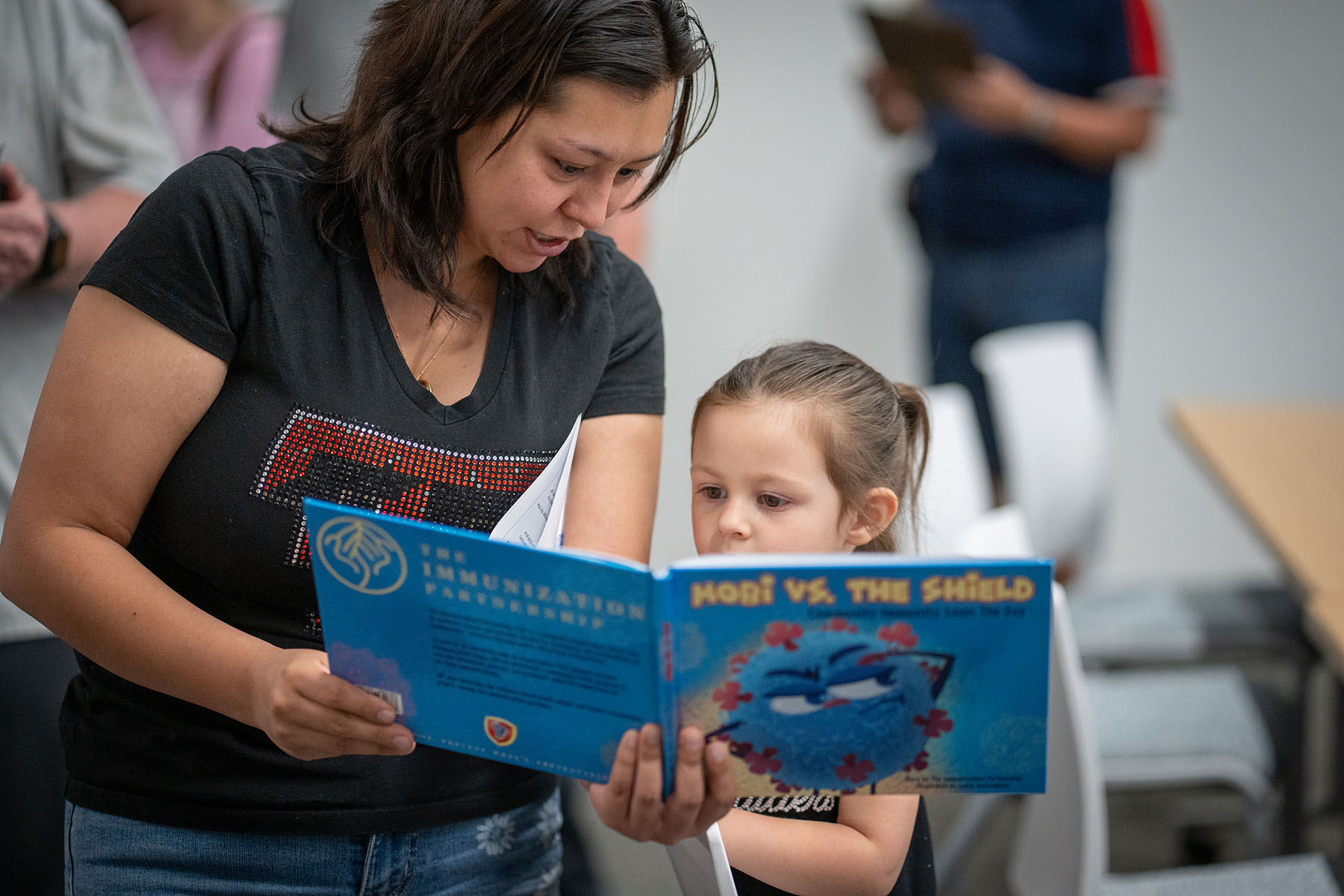
Can my child receive an MMR shot early?
Some children who are traveling abroad can get an MMR shot as early as six months old, but it could still require two doses later. Parents should consult their pediatrician.
Handy added that there can be unusual circumstances; she gave the example of a parent with an 11-month-old traveling into a state or region with an outbreak for a social event like a wedding. That child is on the cusp of being old enough to receive the first dose of the MMR vaccine and may be able to get the shot early even though they’re not traveling abroad.
“That’s kind of the one-on-one conversation families will have to have with their care provider,” she said.
Swartzberg said that the most important thing a parent can do is make sure everyone who lives in or visits their home is vaccinated against measles.
“If someone is ill with a respiratory infection in the household, they should wear an N95
mask and stay away from the infant,” he added.
Children who have received their first MMR shot can receive the second as early as 28 days after the first dose, which may be the best option for people who live in or travel to outbreak areas or are traveling internationally. Handy said a second MMR dose helps individuals who may not have responded to the first dose. About 7 out of 100 people do not become immune after one dose; the second dose brings this down to 3 out of 100.
Handy again recommends that parents talk to their pediatricians about the best course of action.
“Related to the immunization schedule, I think the most practical information that people should have is that the way it’s designed right now is to give your child the best protection at the earliest time we can safely give vaccines. And with that in mind, deviation from that should be the exception,” she said.
I’m an adult but I’m not sure about my vaccination status. How can I check if I’ve had the measles vaccine?
If you were born before 1957, you have immunity due to the natural spread occurring then. If you were born after 1957 and have access to your records, check these. Most individuals vaccinated after that time will be protected except for a group of people who received a certain type of vaccine prior to 1968. If you do not have access to your records, you can ask your doctor to check your immunity through bloodwork to see if you need a dose of the vaccine.
The MMR vaccine gives long-lasting protection. No booster is needed, including for parents of young children, said Dr. William Schaffner of Vanderbilt University.
“The vaccine is extraordinarily effective,” he said.
I’m pregnant. What should I know about measles?
To date, most adults have received the MMR vaccine. A person who did not get the vaccine during childhood should make a plan to get it before they become pregnant by at least a month. If they do not, they should wait until after their pregnancy because the MMR vaccine is a live virus vaccine.
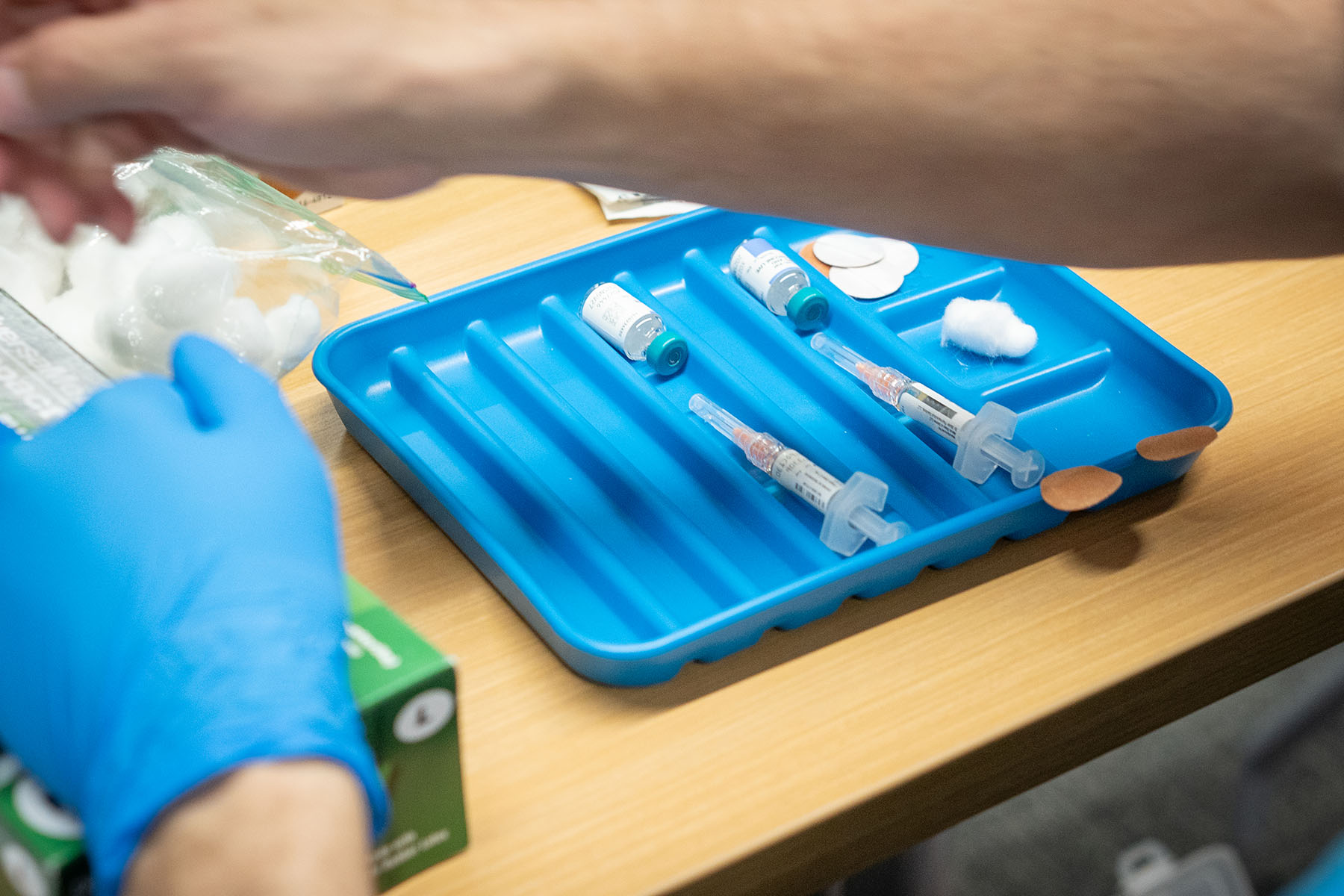
Amid the declining rates of childhood vaccination and the measles outbreak, how should I discuss this topic with my family, friends and community if I’m not sure about their vaccination status?
Handy said that while she hopes parents and others make decisions about vaccination based on the science and one-on-one conversations with their health care providers, she knows people can be convinced to get vaccines because of their social groups. She encourages parents to have honest conversations with fellow parents.
“Help people realize, ‘This is important to me. This is what I do,’” she said. “A lot of people have a lot of questions, and they kind of want to understand what’s socially normal here.”
Handy said parents can also direct fellow parents to medical professionals.
“Recommend they talk with their health care provider to figure out, ‘Where’d you get that information? And how is that helping or potentially harming your child?’” she said. “Because your health care provider is keeping up on all of the science behind vaccines and kind of can help with myths or questions.”
Schaffner also encouraged open conversations between parents, particularly those having play dates. His biggest concern is in outbreak regions for now.
“You’re entitled to ask those other moms or dads, for that matter: ‘If your Susie wants to play with my Johnny, is your Susie vaccinated?’” he said.
Department of Health and Human Services Secretary Robert F. Kennedy Jr. has a history of anti-vaccine activism. What has he said about the ongoing outbreak?
Kennedy’s political ascension as a one-time presidential candidate and now as the head of the federal health department comes from a platform of promising to “Make America Healthy Again” through policy that purports to address children’s health issues. The messaging has resonated with some parents, while others are skeptical given Kennedy’s lack of formal medical and science training and years of anti-vaccine activism.
During his first public remarks on last year’s Texas outbreak, Kennedy said measles outbreaks are “not unusual” — a description that drew criticism from some health experts because the number of cases related to that outbreak was particularly high. While Kennedy did not mention vaccination at the time, he later posted an op-ed where he more clearly acknowledged the severity of the outbreak and the need for vaccination — while also encouraging parental choice on the issue. Kennedy later implied the measles deaths in Texas were related to underlying health conditions.
While Kennedy has occasionally recommended the MMR vaccine, he has also sowed doubt into its effectiveness and safety. This summer, he expressed support, alongside President Donald Trump, to break up the MMR shot into individual vaccines — something that is not logistically possible in the short-term.
More recently, Kennedy has challenged the circumstances surrounding some of the measles-associated deaths in Pennsylvania, going so far as to accuse state officials there of politicizing the deaths.
There is a lot of information being shared online about vaccines. Where can I get factual information?
Handy recommended that parents review information available on the Vaccine Education Center at Children’s Hospital of Philadelphia, which provides information on vaccine science, including its safety. She also noted the American Academy of Pediatrics has guides on vaccination, as does the American Academy of Family Physicians.
“Parents can look to those sites and see, where are those organizations potentially diverging from some other messaging in MAHA?” she said. “We really should be looking to those who have spent decades, if not centuries, protecting children and rely on that information.”