
All summer, Dr. Marvia Jones worried over the data.
Jones, director of the Kansas City Health Department in Missouri, read reports showing that not enough public school students were up-to-date with their vaccinations in time for back to school. She knew kids risked being sent home when classes resumed in late August — a scenario that would disrupt not just their learning but create a logistical nightmare for working families.
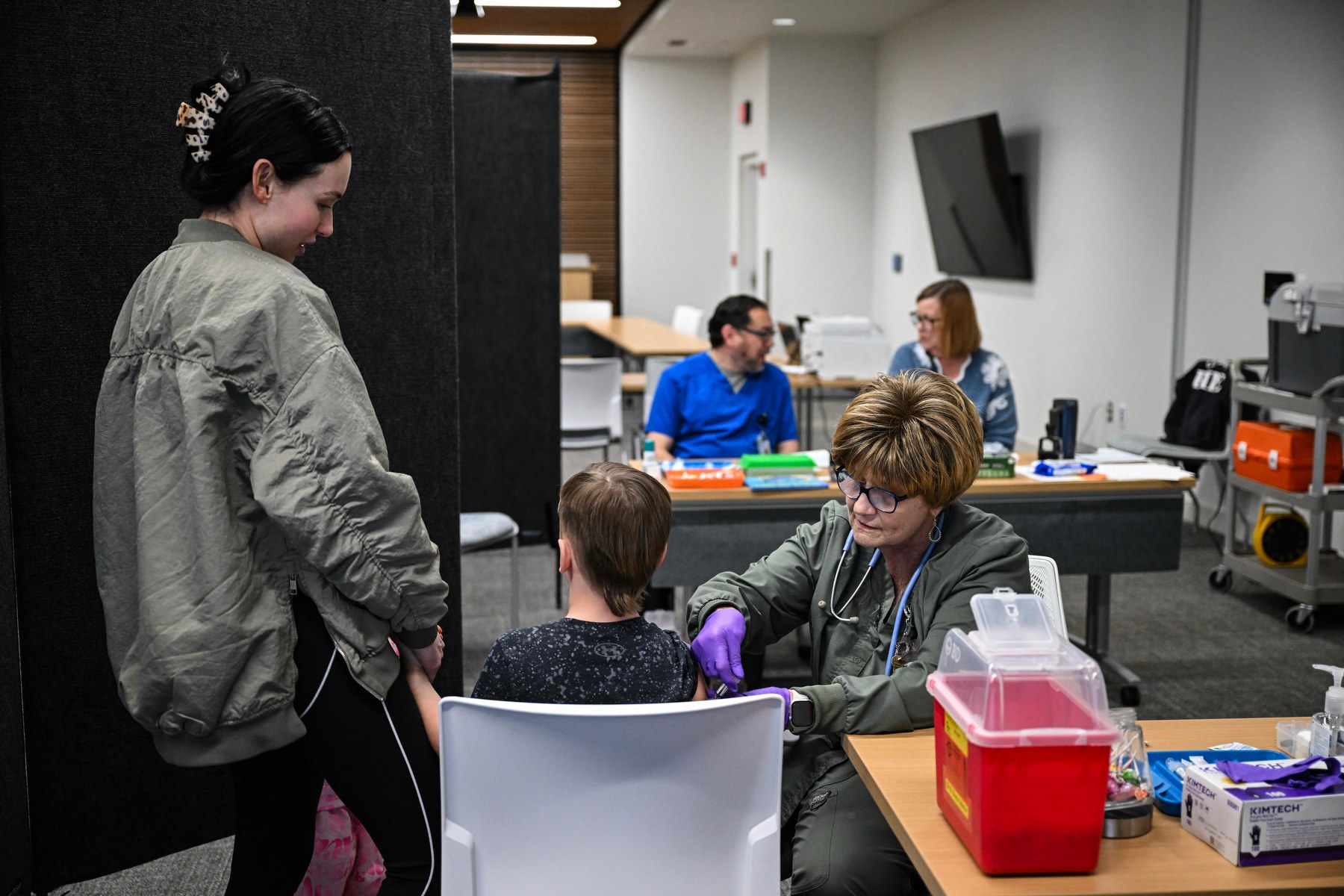
So Jones scheduled more vaccine clinics, which she brought to church picnics and community events, saving residents a trip to the health department. She extended clinic hours to welcome parents with non-traditional work hours.
But by mid-August, traffic for back-to-school vaccinations was still down between 20 and 30 percent, according to Jones. She scheduled a last-minute news conference with nursing staff from Kansas City Public Schools to plead with parents to immunize their children. The speakers also clarified that a recent executive order from President Donald Trump aimed at reducing the number of recommended childhood vaccines had not actually changed school mandates in Missouri.
“I understand having a deluge of information from many sources and just being confused and having concerns,” Jones said at the news conference. “There’s no judgment in that.”
Within days, the department saw a spike in vaccinations. Jones felt relieved.
“I was happy and just really elated to know that some aspects of our public health work — despite all the stuff about lack of trust and disintegration of faith in the government — that we can do some things that still speak to people,” she told The 19th.
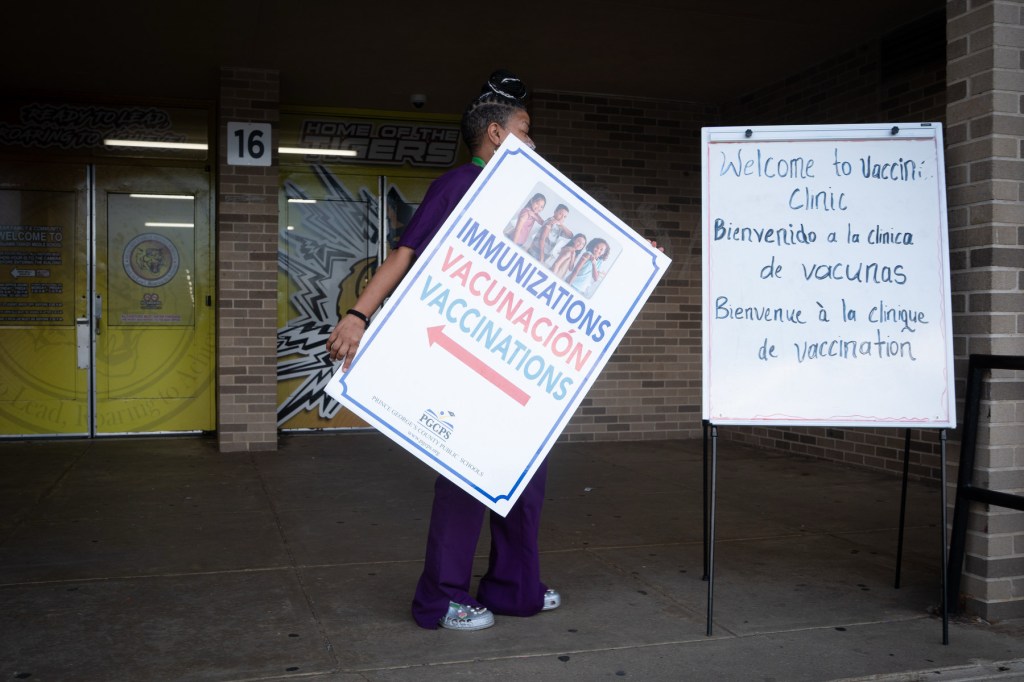
As children around the country return to the classroom for a back-to-school season that typically runs between late July and early September, public health officials like Jones are helping families navigate how best to prepare for the surge of back-to-school illnesses. But they’re doing so while countering misinformation from the Trump administration about the safety and effectiveness of vaccines, which medical groups worry is contributing to declining vaccination rates among school-aged children.
“Right now, local health departments are literally standing in the gap as our state health departments are taking on roles usually led by the federal government, and especially [the Centers for Disease Control and Prevention],” said Dr. Michelle Taylor, commissioner of health for the Baltimore City Health Department and chair of the Big Cities Health Coalition, a national organization that coordinates with officials from major metropolitan health departments.
Newly released data from the CDC shows that vaccination rates for routine vaccines continue to decline among kindergartners — including rates for the measles-mumps-rubella (MMR) vaccine, which remain below those needed for herd immunity. Requests for vaccine exemptions are also rising, with 4.2 percent of kindergartners receiving them compared with 3.6 percent the previous year.
“Overall we’re not seeing what we want to see,” Jones said. “We are not going in the right direction.”
The respiratory virus season — which starts in the fall and ends in early spring — is expected to include the circulation of flu, COVID-19 and RSV. Nearly 200 children died last season from flu-related complications, and most cases involved unvaccinated children.
Already, some school districts are on high alert. Last month, one in South Texas cited growing COVID cases as its reason for canceling classes for two days. In Louisiana, a middle school shut its doors for one day after dozens of teachers and students reported having COVID.
Lynn Nelson is president of the National Association of School Nurses, an organization that provides guidance, resources and professional development to nearly 20,000 school nurses across the country. She said it’s not unusual for students to get sick within the first few weeks of school after a summer or spring break that often involves travel.
“The difference now is with the reduced vaccination rates — and they’re significantly reduced for almost everything now, to below what we call herd immunity level — we’re going to be seeing more vaccine-preventable illnesses come back to school as kids come back,” she said.
The number of confirmed measles cases in the United States has reached more than 3,100 this year. That figure toppled the number of cases reported in all of 2025, and some public health experts believe it may be an undercount.
“For some diseases like measles, even a small decrease in vaccination rates can lead to more outbreaks of disease because community immunity requires over 95 percent of susceptible individuals to be immunized,” said Dr. Andrew D. Racine, president of the American Academy of Pediatrics (AAP), in a statement after the CDC data release. “This risk is real: The United States is experiencing a 35-year high for measles cases as federal officials continue to elevate misleading and disproven information about vaccines, inserting unnecessary fear and confusion into families’ decision making.”
Health and Human Services Secretary Robert F. Kennedy Jr., who co-founded an anti-vaccine organization before being appointed by Trump, announced plans in January to recategorize some childhood vaccines. Shots used to protect against flu, COVID and RSV — previously recommended for all children — would now be recommended only for high-risk children or after extra consultation with doctors. An ongoing lawsuit brought by AAP and other medical groups challenged the changes, which did not go into effect. AAP still recommends all of those vaccines.
Kennedy has recommended the MMR vaccine, but also shared misleading information about its safety. He is in the middle of a public spat with Pennsylvania officials, including Democratic Gov. Josh Shapiro, after the state health department reported two measles-associated deaths involving infants. Kennedy has challenged the circumstances surrounding the cases, which are the first deaths involving measles reported in the country this year.
Kennedy has challenged the circumstances surrounding the cases, which were the first deaths involving measles reported in the country this year. State officials have since reported two additional measles-associated deaths — bringing the national death toll to a nearly 35-year high. Local coroners confirmed that one of the deaths was a 40-year-old woman and the other was an 18-year-old. Both were unvaccinated.
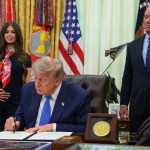
Dr. David Margolius, director of the Cleveland Department of Public Health, said public health officials are “swimming against a strong current” of misinformation from the White House and the back-and-forth headlines around vaccines and measles that ensue. During an executive order signing last month, Trump inaccurately described the MMR vaccine as “quite lethal” and expressed interest in splitting the typically two-shot series — a proposal that is not logistically possible anytime soon.
“The current against us is strong, and we’re paddling as hard as we can,” Margolius said. “It would just be a heck of a lot easier to make progress if the White House started speaking the truth and helping to be part of the solution instead of being part of the problem.”
While vaccination rates in Ohio have fallen, Cleveland is making improvements — rates for children entering kindergarten there have jumped from 68 percent a few years ago to 76 percent this past school year. The rate for the MMR vaccines for children entering kindergarten is in the low 80s, still below herd immunity. Margolius credits building community trust and bolstering federally qualified health centers for expanding access to vaccines. There are also more embedded health clinics in Cleveland schools.
“We’ve improved, but obviously have a long way to go to where we want to be,” he said.
Public health officials and major medical groups recommend that parents continue to consult with their pediatrician or family physician about vaccines, including about their plans for flu and COVID shots as the respiratory virus season begins in earnest in a few weeks. New polling data released in August indicated that public confidence in one’s own healthcare provider remains high.
Nelson, who is also a nurse administrator in Washington state, said most parents vaccinate their children in the end, once they get solid information from their healthcare provider or school nurse. But the lag time is having a real impact on public health, especially in rural communities with reduced urgent care services.
“There’s just so much misinformation about [vaccines] out there, that it slows everything down and people wait longer,” she said. “And when influenza or COVID hits your community, or RSV or pertussis, it might be too late.”
Illness or the threat of disease exposure can be disruptive to schooling and working families. Quarantine rules can send a child home for days or weeks, causing a ripple effect on childcare responsibilities for parents in a country that does not have federally mandated paid sick time. Jones in Kansas City worries about the fragility of a system that relies on children never getting sick.
“What happens when your child is sick for four days?” she said. “Does another older kid have to stay home and care for them? Does someone have to miss work? Does someone lose pay? Does someone else get sick? Does an older relative that’s living with them now have to be the childcare provider? And how does that put them at risk, particularly for families that are already unstable in some way — whether it’s due to health or socioeconomic status. So all of these things are interplaying together.”