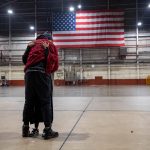

From transportation troubles to a lack of accessible equipment, researchers estimate that if accommodations were prioritized, over 2 million more votes would be cast.
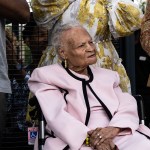
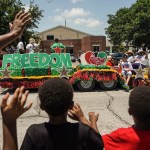
Photo essay | The Greenwood of 1921 is long gone, but its spirit lives on in the memory of a community still writing its story.
In “Don’t Let Them Bury My Story,” Viola Fletcher recalls the horrific night in 1921 when America’s “Black Wall Street” was burned to the ground.
The federal holiday is a call to action, a source of pride and a reason for hope, our fellows write.
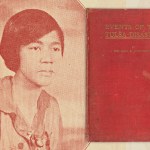
Mary E. Jones Parrish’s 1923 book, “Events of the Tulsa Disaster,” continues to educate as a result of her great-granddaughter’s efforts to further her legacy.
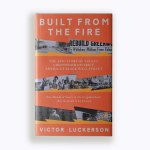
In his new book, ‘Built From the Fire,’ journalist and author Victor Luckerson examines the legacy of the Greenwood district, "the neighborhood that refused to be erased."
Advocates say data is playing catch-up to their lived experiences with gender and racial bias, often leaving them with missed diagnoses and minimal support.
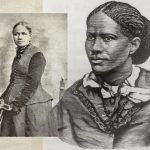
On the anniversary of her passing, The 19th's fellows honor the “mother of African American journalism,” who our HBCU fellowship is named for.
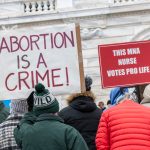
A majority of Americans are worried that medical professionals and patients could be charged with crimes for providing or having abortions, a new poll finds.
Days after her release from Russian detainment, WNBA player Brittney Griner shared gratitude for the support that brought her home and announced her return to basketball.