
The 19th Explains: What is the Comstock Act?
Tomorrow, the Supreme Court will hear a case on abortion pill access that could revive a 19th Century anti-obscenity law that’s been used to curtail access to everything from birth control to pornography.

Tomorrow, the Supreme Court will hear a case on abortion pill access that could revive a 19th Century anti-obscenity law that’s been used to curtail access to everything from birth control to pornography.
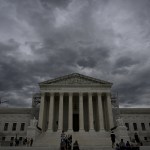
The court will consider reversing a federal decision that allowed the abortion pill mifepristone to be prescribed online. The consequences could be significant.

If the court restricts access to an abortion medication approved by the FDA, vaccines, birth control and other politically-charged therapies could be next.
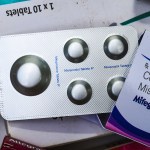
Next week, the court will hear arguments in a case that could restrict the use of mifepristone, which a growing number of Americans get without an in-person appointment.

Although Alabama has moved to protect IVF providers, a court ruling that gave legal protections to embryos is having a ripple effect on people seeking fertility care in red states.

State law requires minors to obtain parental approval before receiving contraception. But some federal clinics were exempt from that requirement — until now.

Also with the first lady for the State of the Union address is Kate Cox, who sued to terminate a pregnancy in Texas.


While treatment is set to resume, doctors say the Alabama Supreme Court's decision may have opened a sort of Pandora’s box on the future legal landscape for IVF in the state.

Mifepristone will be available at stores in seven states. Eventually, both pharmacies will make it available in all states where abortion is legal.