
The end of Roe could be changing people’s minds about abortion bans
Backlash to a 15-week ban and shifting public opinion data suggests people may be less tolerant of laws prohibiting second-trimester abortions.

Backlash to a 15-week ban and shifting public opinion data suggests people may be less tolerant of laws prohibiting second-trimester abortions.

The majority of Americans — Republicans, Democrats, men, women and nonbinary people — distrust politicians even as states pass new restrictions.
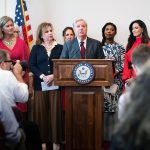
The exceptions require people to jump through significant logistical, legal and bureaucratic hoops that render them nearly impossible to utilize, experts said.

The Texas-based case examines the ACA’s guarantee that preventive medicine be fully covered. It could affect coverage of PrEP, breastfeeding counseling, STI screening and contraception.
In a letter first shared with The 19th, 30 senators wrote to the health and human services secretary urging him to take action.

The surge of new bans is expanding the significance of how judges rule on local abortion matters.

At least three candidates have edited their campaign websites to remove references to strict abortion bans — a reflection of growing voter backlash to the overturning of Roe v. Wade.

To mark the first anniversary of SB 8 going into effect, The 19th spoke with Texans who sought an abortion in this past year. Each has a different story. But all shared similar sentiments: anger, sorrow, frustration and fear.

Eleven states have outlawed abortion in almost all instances. The change will contribute to growing regional abortion deserts.

Title X — which funds family planning clinics for low-income people — is a nascent target in the growing political fight over abortion access, even in states like Maine.