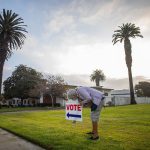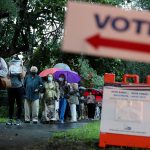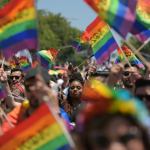

The full impact of voter ID laws on trans people and others remains difficult to measure. But voting rights advocates say potential voters across the country face an uneven patchwork of policies — and obstacles.
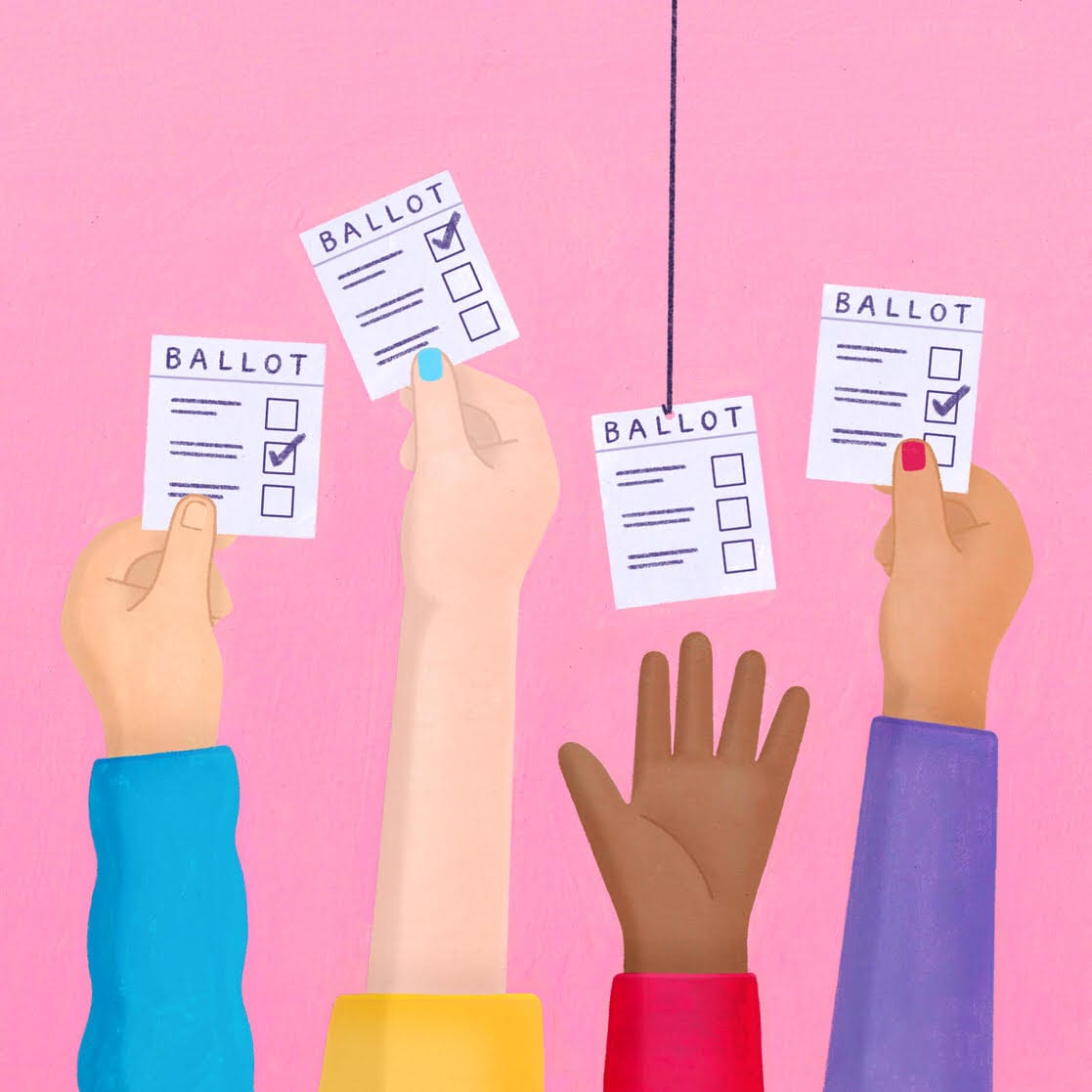
Ahead of a consequential election, our newsroom is making a renewed commitment to writing about voting rights and the people who make our democracy function. Here’s how we plan to do that as part of our participation in the Advancing Democracy Fellowship.
The full impact of voter ID laws on trans people and others remains difficult to measure. But voting rights advocates say potential voters across the country face an uneven patchwork of policies — and obstacles.
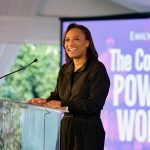
Veteran organizer Laphonza Butler became the organization’s first Black president just under a year ago. She spoke to The 19th about Emily’s List’s rebranding.
Leslie Hoffman is a Republican who helps run elections in an Arizona county. She has seen momentum grow for lies about 2020.
Michigan is expected to join that list after abortion rights activists submitted signatures to enshrine access in the state constitution.
Some states are expanding early voting options that can be helpful for caregivers and hourly workers — roles often occupied by women. But other restrictions on vote-by-mail could complicate the long-term benefits.
As discussion of falsehoods about the 2020 election and their deadly consequences are televised from Capitol Hill, states’ top election officials are grappling with inaccurate information — which can make them targets.
Cecile Scoon, the first Black woman to serve as president of the League of Women Voters of Florida, spoke with The 19th about a recent voting rights victory and efforts to bring in new members as lawmakers consider new maps.
Elected officials, volunteers and advocates have raised concerns about confusion over new mail voting rules and the reversal of practices that made it easier for many women and people with caregiving responsibilities to cast a ballot.
Groups are paying attention as more states introduce voting restrictions that could disproportionately harm LGBTQ+ people of color and those with disabilities.
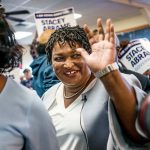
Abrams, who lost to Brian Kemp in 2018, has become a prominent voice on voting rights issues and the disenfranchisement of Black voters.