
How the pandemic has widened the Latina wealth gap
Latinas, already at a financial disadvantage, faced a “triple crisis” during the pandemic: higher COVID-19 infection rates, greater economic losses and increased family-work conflict.
This topic page is sponsored by the Ronya Kozmetsky Legacy Fund for Representative Journalism.
Latinas, already at a financial disadvantage, faced a “triple crisis” during the pandemic: higher COVID-19 infection rates, greater economic losses and increased family-work conflict.

Helpr, one of the fastest growing apps offering backup child care, is behind new legislation in California that would require big employers to give their workers subsidized backup care.

The Emory University professor’s new book examines the inequities built into the U.S. tax code.
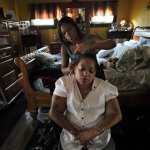
The American Jobs plan would allocate $400 billion to assist in home health care, a historic investment, but one expert says it may not be enough.

The networking site is adding titles so people can denote caregiving responsibilities. Experts say employers should consider these skills when recruiting.

We’ll bring your questions to Mandi Woodruff and Tiffany Aliche, hosts of the “Brown Ambition” podcast, during an upcoming Live with The 19th event.

As more schools reopen for in-person learning and states lift COVID-19 restrictions, women are returning to work but still remain behind pre-pandemic employment levels.

The restriction would have particularly affected Black women and Latinas, who remain disproportionately affected by the recession.

The #CareCantWait coalition is pushing for the inclusion of measures on Medicaid services, child care and paid leave in the legislation expected to be laid out by Biden on Wednesday.

Democrats, Republicans and business groups are rallying around a bill to give pregnant workers better accommodations in the workplace. It’s likely to pass this year.