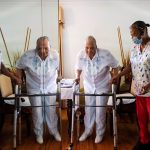
The 19th spoke with a wide range of experts about what older people and family caregivers should know about the risk omicron poses to seniors, as well as best practices to keep loved ones safe.
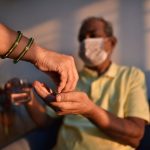

Older immigrants and their families often have trouble finding care that takes their language, food and religion into account.
The United States is one of only seven nations that does not offer paid leave. Even the proposed amount Congress was considering was far less than what most other countries have offered their workers for decades.
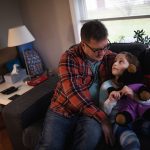
For some families, the pandemic scrambled gender roles. These dads say they aren't going back.
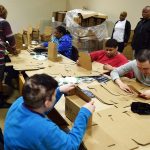
The subminimum wage allows employers to pay people with disabilities cents on the hour for their work. A provision in the Build Back Better Act would incentivize states to help end the practice.
Researchers recommend investments not just in prenatal and postpartum care, but also housing needs, home visits and endowments for newborns from low-income families.
Home health care workers, who are predominantly women, experience poor mental health at about double the rate of the typical American worker — and that was before the pandemic.
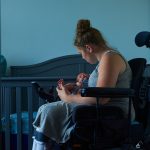
Parents living with disabilities struggle to meet their children’s basic needs under Medicaid rules that say home health care resources don’t apply to them.
Disability and labor advocates are cheering proposed home care spending. But they're also worried insufficient investment could pit increased wages against greater capacity.
Parents cannot use federal aid to pay for diapers, and are often forced to come up with other solutions, using maxi pads or towels to keep their children clean and dry. In rural America where aid is even harder to access, tiny diaper banks are the only lifeline.