Sen. Amy Klobuchar on race, justice and the pandemic
The Minnesota senator addresses her record on race and lessons on inequity she's learned from the pandemic.
The Minnesota senator addresses her record on race and lessons on inequity she's learned from the pandemic.
“I don’t necessarily think people need to come to Juntos because they want to be at a protest,” Erika Guadalupe said. “I want Juntos to be a place that honors the whole person and not just these parts of ourselves that we have to fight so hard for people to see."
“To be able to celebrate our holidays in public, it took a long time to get here … Now we’re almost back to Square One," said Catzie Vilayphonh. "The way in which we celebrate traditions is to ourselves again.”
As states reopen their economies, some have yet to issue a specific plan for child-care facilities. Industry groups predict that a third to half of child-care centers may not reopen at all.
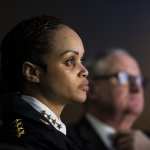
Danielle Outlaw discussed the challenges of conducting law enforcement activity during a pandemic, and of balancing motherhood and her career.

Ask Blew Kind when she knew the pandemic had hit her cafe, Franny Lou’s Porch in East Kensington, and she doesn’t hesitate: the second week of March.
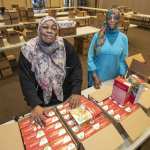
Addressing hunger in the city has been Gaye Nailah Johns’ mission for two decades as director of the Sadaqah food program.
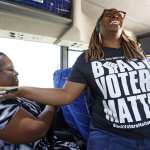
A coalition of mostly Black female activists is asking public health officials to extend their stay-at-home orders.

The pandemic is exacerbating long-existing inequities in all areas of society across the city and the country, but perhaps nowhere more acutely than in education.

Philadelphia is the poorest big city in America, with nearly a quarter of its citizens living below the federal poverty line and more than one in 10 Philadelphians in deep poverty. About 47 percent of residents are renters, with 54 percent paying at least 30 percent of their income in rent.