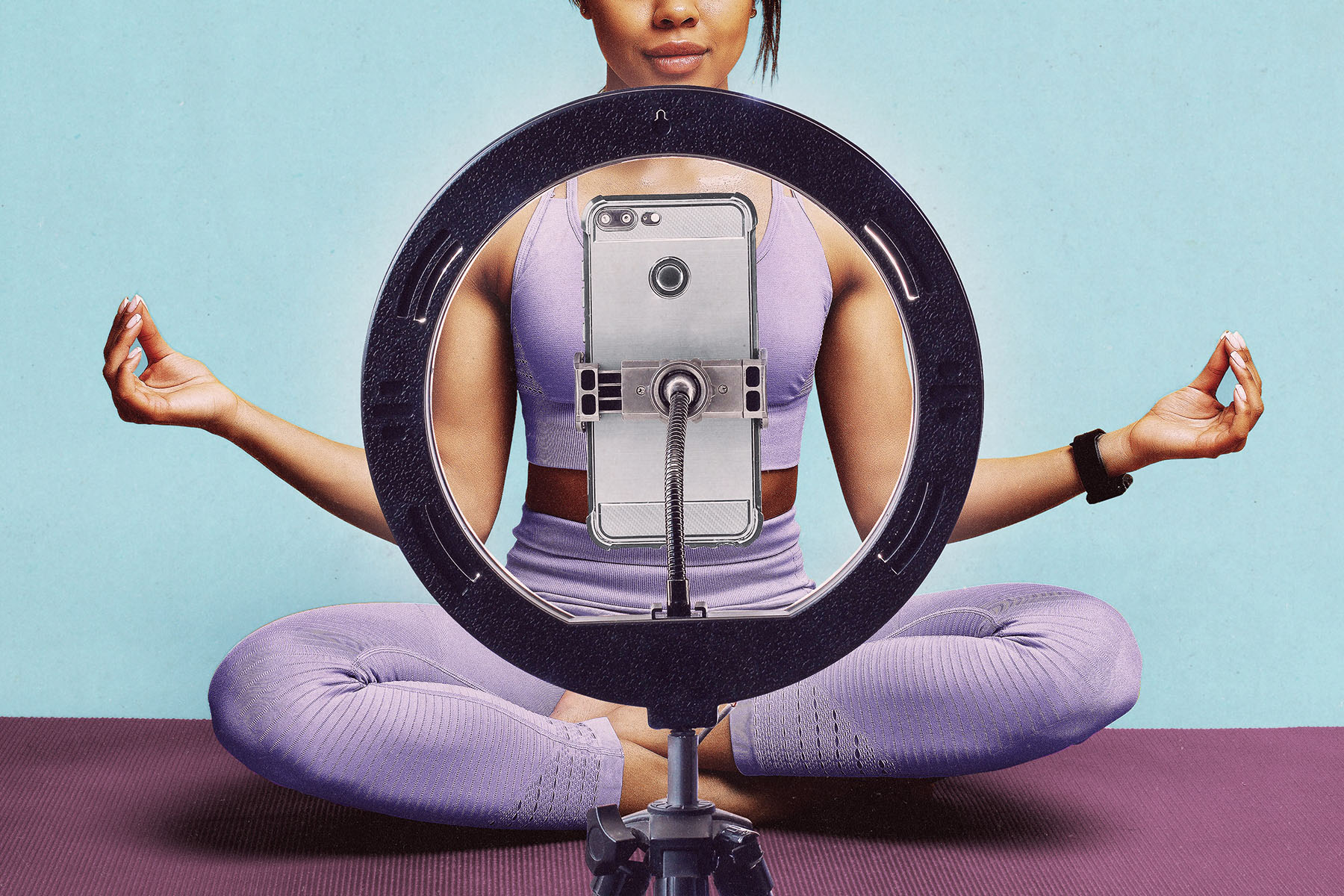

Sixty-four percent of health and wellness influencers are women, according to a new analysis.
That dominance in the online health and wellness space comes as 4 in 10 U.S. adults — and half of those under 50 — say they get health and wellness information from social media influencers or podcasts.
The study, released Thursday by the Pew Research Center, shows a gender divide among content creators, with men representing just 34 percent of health and wellness influencers. The gender breakdown of the people consuming the content is more evenly split among women (42 percent) and men (37 percent).
The data reflects a broadness in the types of people identified in the study as health and wellness influencers, said Galen Stocking, associate director of science and society research at Pew and one of the lead authors.
While a large portion (41 percent) of online health and wellness influencers identify themselves as health care professionals — including conventional and alternative — others describe themselves as coaches (31 percent), entrepreneurs (28 percent) and those who cite their life history or experience (13 percent).
“This is a space where other people outside of the expert community can share information — share their experiences with broad audiences,” he said.
While men are more likely to describe themselves as conventional medical professionals, entrepreneurs and athletes, women influencers are more likely to identify themselves through their life experience. Women are about three times as likely than men to describe themselves as some variation of “mom” or “mother” — with descriptions that are both generic (“mom of two”) or specific to a topic (“ADHD mom”).
“There’s something in how these influencers feel they need to present themselves that makes them, in some ways, put their gender forward in a way that maybe men aren’t doing — at least in the family dynamic area,” Stocking said.
Health and wellness influencers focus on social media spaces that feature images and videos, with the bulk of the accounts analyzed having a presence on Instagram (86 percent), followed by TikTok (62 percent), YouTube (45 percent), Facebook (19 percent) and X (10 percent). About 12 percent host a podcast and 2 percent have a newsletter on Substack or Medium.
Despite more women enmeshed in health and wellness influencing, the Pew analysis shows accounts led by men are still among the most popular. The findings focus on people with at least 100,000 followers on Instagram, TikTok or Youtube. For the 8 percent with at least 1 million followers on their most-followed account, 46 percent are men.
Consumers who follow these influencers are exposed to a range of topics: Around a third or more say they often hear about fitness, weight loss and personal appearance. A large percentage (85 percent) of influencers who identify as a plastic surgeon in their bios are men. Younger adults ages 18 to 29 are especially likely to hear about fitness or mental health, while women generally are more likely to hear about beauty and personal appearance. Women make 80 percent of healthcare spending decisions.
The Pew analysis also shows the role health and wellness influencing can have on people based on age and race.
A desire to make a change to one’s health or lifestyle was a major reason (41 percent) that most people consume content from health and wellness influencers, with entertainment representing only a quarter of a major reason. But one-third of young adults ages 18 to 29 say they get this information from influencers for entertainment. Young adults in that age range are also most likely to say that information makes them feel more worried about their overall health. A recent Pew study shows young adults ages 18 to 29 tend to view their mental health much worse than older Americans.
Young people are more online and are therefore naturally more exposed to health and wellness influencing, said Regina Widjaya, a computational social scientist at Pew and another author of the survey.
“The majority of people who end up seeing this wellness information online, they tend to stumble upon it,” she said.
Among consumers of online health and wellness content, 14 percent say they turn to influencers to learn about things they don’t want to ask their doctor about. While this is among the lowest share of reasons listed in the survey, 20 percent of consumers who identify as Black, Hispanic and Asian each said it was a major reason for them — compared to 10 percent of consumers who identify as White.
Stocking said there’s a tendency to think of this as a negative. But it’s possible a person doesn’t want to talk to their doctor about a new fitness routine, change in diet or some new product that they’re interested in.
“It’s not necessarily that there is a wall between Black Americans and their doctors,” he said. “It could also be that they have more interest in other things that aren’t necessarily in that squarely medical area. We just don’t have the details on that to really say for sure.”
Still, among the groups more likely to say they get content about health and wellness information from influencers are Black, Hispanic and Asian Americans, as well as people who are uninsured.