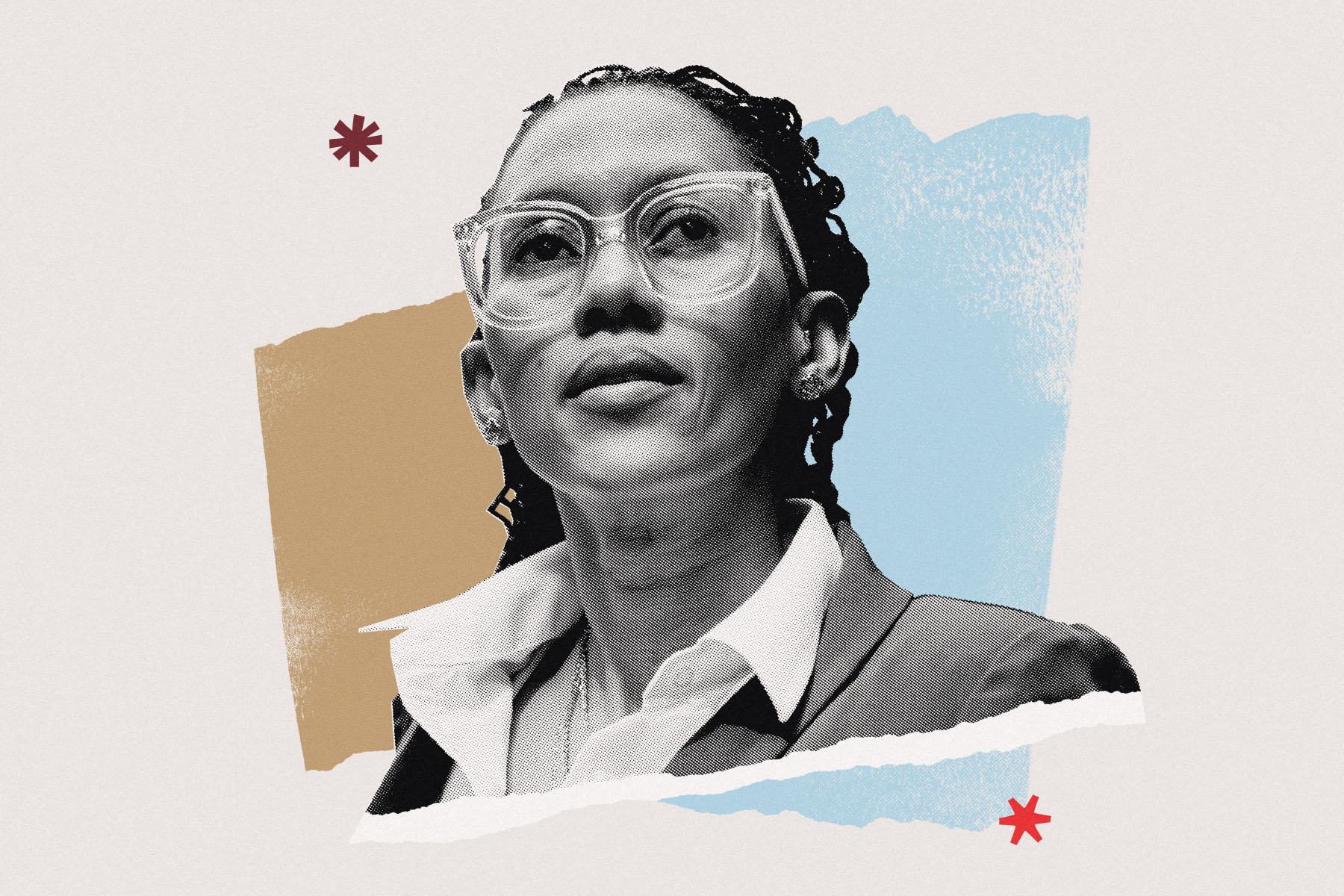
In the lead-up to our country’s 250th anniversary, Errin Haines is writing a series of columns to contemplate the complicated expansion of our democracy. Subscribe to The Amendment newsletter.
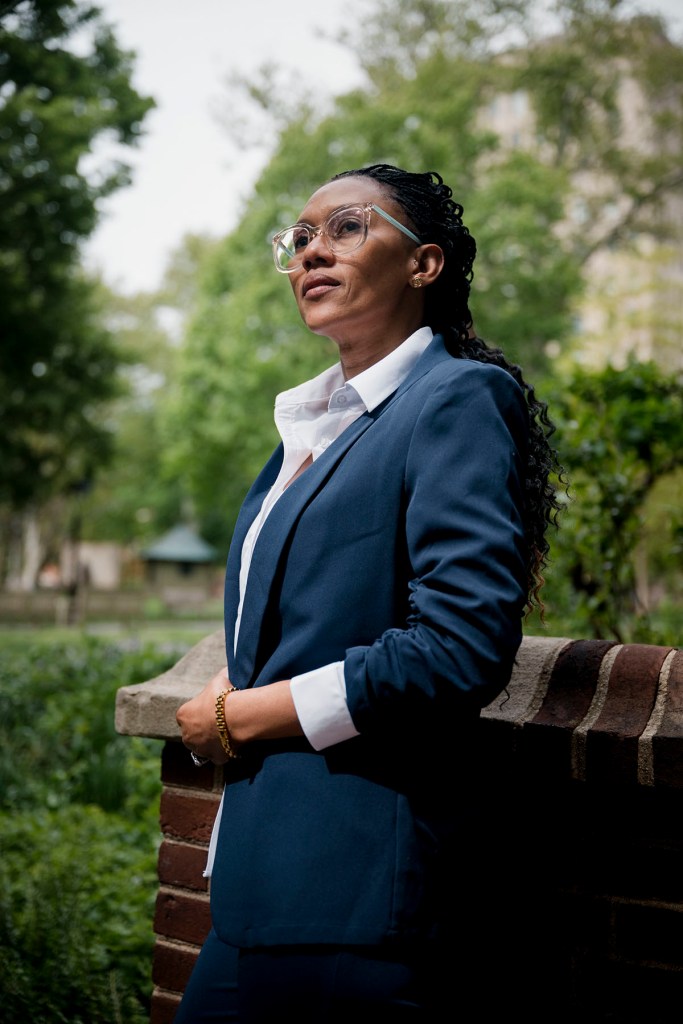
Adriana George immigrated to the United States from the Caribbean at 21 years old and soon found community in her new home, doing the work she loved as a nanny in New York City.
In New York, George met her husband. Together, they moved to Philadelphia, where she continued to work as a nanny. She found a second family among other nannies who gathered at a local park. Between keeping an eye on the children entrusted to their care, the women shared their experiences on the job: the long days, the abusive bosses, the relentless pace that had no breaks built into it.
“As much as I need my job, my employers need me, too,” George said. “And yet, workers were still encountering abuse and constant violations.”
Knowing that she and other caregivers had rights and deserved better treatment, George started collecting her fellow workers’ testimonies. In Philadelphia, the city that birthed the idea of freedom and liberty for all, George was doing some of the same work as patriots 250 years earlier, listing grievances against oppression and injustice — and demanding change.
Already active in the National Domestic Workers Alliance, she eventually left her caregiving job to become a full-time organizer. She now runs the alliance’s We Dream in Black program in Pennsylvania, advocating on behalf of Black, Afro-Latina and Caribbean domestic workers.
What does it mean to be revolutionary today?
As the country marks its 250th year, The 19th is centering the women and LGBTQ+ people whose lives and work have challenged this nation to make good on promises it has yet to extend to all. They are the people still founding America. They are Revolutionaries. Adriana George is among them. Read their stories and explore the full series.
“I don’t like to see injustice around me,” George said. “I’m fighting for workers to know they deserve better. Domestic workers do the work that makes all other work possible.”
George’s insistence on dignity, fairness and belonging reflects the larger struggle over who gets to fully participate in American democracy. Even before she came to America, as a young woman, she had an unbending determination to right wrongs and correct course.
People like George, who were excluded from the intent and applications of the nation’s founding documents, have always pushed back against the origin myth written by and for White men. Again and again, they have confronted our founding ideals and forced the country to become what it claims to be.
The American Revolution did not end in 1776. Our country has not had one founding, but many.
The first American Revolution was about independence from Britain. It was about a group of colonies declaring that they would govern themselves as a nation.
The revolutions that followed have not been about independence from another country. They have been about Americans shaping what independence would mean for themselves, expanding the language of the Declaration of Independence itself: all are created equal.
Our founding documents define freedom and equality as requirements of independence. To be fully American is to be free — and to be fully American is to be equal. And yet Americans have been forced to confront this contradiction between the nation’s ideals and its reality since its birth.
We should now consider the evolution of our democracy as an ongoing American Revolution, marked by moments that have pushed us toward greater progress and broader participation: from slavery and the end of the Civil War, to the 14th and 15th Amendments, to the 19th Amendment — each one widening the scope of who can claim citizenship and who has the right to vote. In more recent history, we can look to the hard-fought victories of the 20th century won by Black folks, women and queer people in their battles for equal rights.
The expansion of American democracy has never been linear. This progress has often been met with backlash. But that history also reminds us that every generation has a role to play in shaping the country. The work continues — on the streets, in courtrooms, in parks where nannies talk.
It’s Americans like Adriana George who are founding our country still today.
George has shown up to meetings at Philadelphia City Hall and successfully pushed for a new law expanding protections like a public list of employers with a history of mistreatment, restitution to harmed workers, and proactive investigations of abusive employers to prevent retaliation for speaking out.
She still remembers her citizenship ceremony in Philadelphia. Wearing a fancy navy blue dress she bought for the occasion, she stood next to her husband and mother-in-law, beaming with pride as she took the oath.
“It was a great feeling — and also mixed emotions around it, because now I’m pledging allegiance to the United States,” said George. “I wanted to become a citizen because it was the right path to take.” She is a homeowner. She pays taxes. She is an Eagles fan. “I do consider myself a Philadelphian,” she said.
George was reborn as a U.S. citizen. Her activism is part of what it means for her to be American and what makes her a revolutionary.

The people who fought in the Revolutionary War were ordinary folks who believed in an idea. But there have been others whom we haven’t historically described as founders or revolutionaries, even though they are the ones who push boundaries, defy convention, undo injustices and constantly seek change. They have helped to close the gap between America’s founding ideals and its lived reality, persevering with a faith that they, too, had a claim to the imperfect promise of our country.
That belief and the responsibility to carry it forward are part of our inheritance. Like George, we can do our part to shape an America that makes the promises of freedom and liberty real for all of us.


