The 19th is reexamining the nation’s founding, its unfulfilled promises and unsung heroes through the lives, labor and leadership of those initially excluded from dominant historical narratives: the women and gender-expansive people who have done the work of making America more free and equal for all.
As the nation marks its 250th year, we’re asking a central question: What does it mean to be revolutionary today — and who should we recognize as the revolutionaries still fighting to have that question answered on equal terms? Explore the project highlights below.
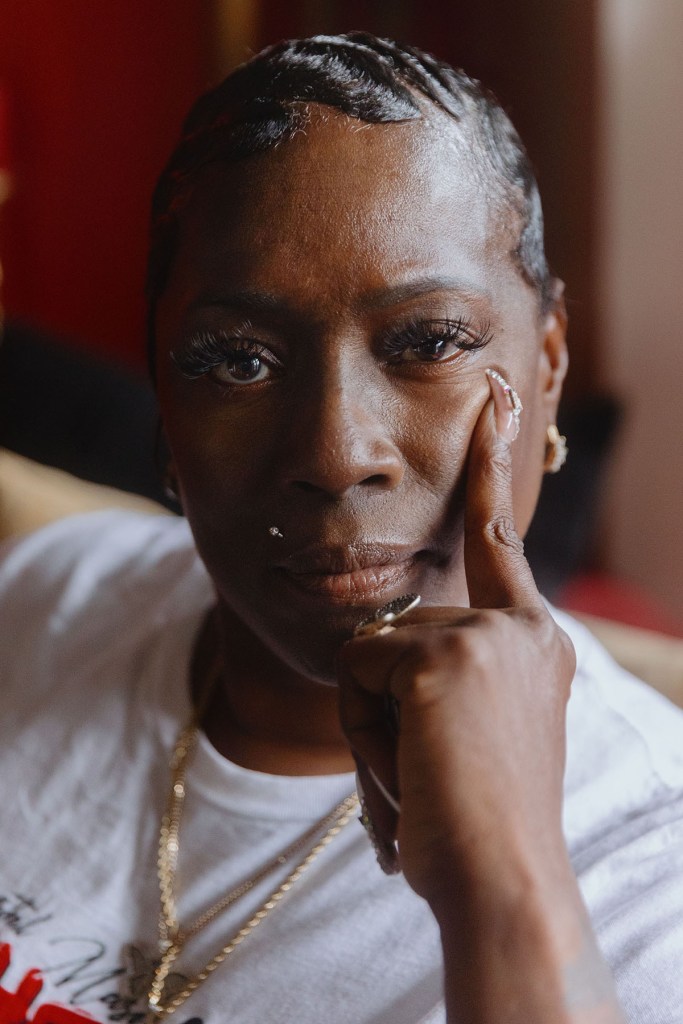
Explore our visual archive
Meet the revolutionaries still founding America
We’re centering the women and LGBTQ+ people whose lives and work have challenged this nation to make good on promises it has yet to extend to all. They are the people still founding America. They are Revolutionaries.

The 19th Events
Revolutionary: Our Declaration of Belonging
In June, The 19th gathered in Philadelphia — the birthplace of American democracy — for an evening of conversation on the stories that have been told about this country, and the ones that have been left out.
More in this series
-
Before Brown v. Board, another segregation case changed public schools. That fight isn’t over.
Eight decades after Mendez et al. v. Westminster sparked a revolution, the people preserving its legacy confront the reality that many schools are still segregated.
-
Her grandparents fought to join American democracy. She’s fighting to complete it.
Many Americans are celebrating our democracy — some as a finished product. But LaTosha Brown knows the right to vote, perhaps the most tangible expression of our citizenship, remains unequal for all.
-
What would a Declaration of Independence rooted in belonging look like?
“Without belonging, there can be no true democracy. This moment requires us to affirm that commitment. It is in this spirit that I offer a new declaration.”
-
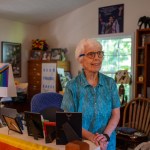
She broke barriers as a priest. She spends retirement organizing against ‘Christofascism.’
From her ordination to organizing with the NAACP, Rev. Carter Heyward has always set a ‘place at the table’ for those previously denied.
-
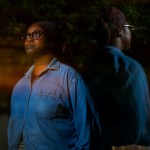
Politics almost broke them. Instead, they found power in community.
Mo Turner — queer, Muslim and Black — faced discrimination and censure in the Oklahoma legislature. They have found healing through activism.
-
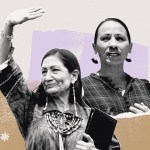
The first Indigenous women in Congress carry a legacy older than American democracy itself
The Declaration of Independence promised equality while denying power to Native Americans. Deb Haaland and Sharice Davids are pushing to take it back.
-
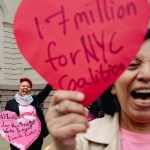
How generations of nannies and cleaners fought for — and won — their rights
It’s an American story you likely haven’t heard: Domestic workers have had to work to be included in America’s promise of equality, forging a model of grassroots organizing.
-
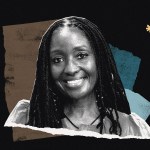
When she didn’t grow up seeing herself in books, she became the librarian she never had
Cassie Owens Moore understands Black women’s resilience as a responsibility — one rooted in allowing her students to see themselves reflected on the shelves of their public school library.
-
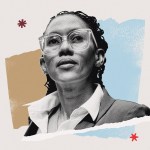
She cared for America’s children. She’s also reshaping our democracy.
Adriana George lived and witnessed injustices while working as a nanny. In the spirit of our founding principles of freedom and equality, she’s now working to expand the rights of domestic workers.
-
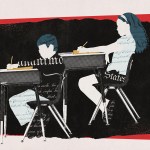
The United States is turning 250 years old. For history teachers, it’s a complicated lesson.
“You have to tell the whole story of our founding,” one educator says. “Warts and all.”
-
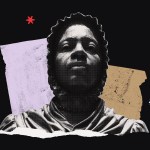
Present at our nation’s founding — but excluded from its promise
Elizabeth Freeman demanded her rightful place among this country’s founders and helped forge a tradition of forcing America to live up to its ideals.
-
Meet the revolutionaries still founding America
The 19th is centering the women and LGBTQ+ people whose lives and work have challenged this nation to make good on promises it has yet to extend to all. They are the people still founding America. They are Revolutionaries.
Want to stay connected with this series on social? Find us on Instagram, Bluesky, Threads, Facebook, YouTube and LinkedIn.
Our team
The following people contributed to this project: Abby Johnston, editorial director; Anne Musial, chief development officer; Annelise McGough, editorial director of audience; Clarice Bajkowski, chief creative officer; Emily Swelgin, chief product officer; Errin Haines, editor-at-large; Faith Smith, senior director of communications and impact; Fernanda Santos, editorial director; Hannah Bernstein, audience growth manager; Julia B. Chan, editor in chief; Lance Dixon, audience engagement producer; Lydia Chebbine, editorial director of visuals; Marissa Nelson, executive coordinator and event producer; Megan Kearney, editorial planning manager; Myrka Moreno, audience engagement producer; Sarah Porter, brand designer; Sereena Henderson, membership manager; Sierra Lyons, audience fellow; Tara Pixley, photo editor; Vanessa Gregorchik, product designer; Wynton Wong, multimedia producer; The 74 Million