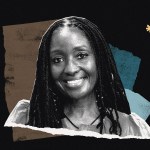
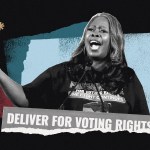
Many Americans are celebrating our democracy — some as a finished product. But LaTosha Brown knows the right to vote, perhaps the most tangible expression of our citizenship, remains unequal for all.
As the country marks its 250th year, The 19th is reexamining our nation’s founding, its unfulfilled promises and unsung heroes through the lives, labor, and leadership of those initially excluded from dominant historical narratives: the women and gender-expansive people who have done the work of making America more free and equal for all. Explore this series.
Many Americans are celebrating our democracy — some as a finished product. But LaTosha Brown knows the right to vote, perhaps the most tangible expression of our citizenship, remains unequal for all.
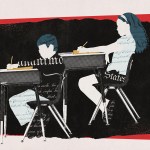
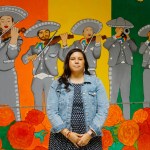
Eight decades after Mendez et al. v. Westminster sparked a revolution, the people preserving its legacy confront the reality that many schools are still segregated.
“Without belonging, there can be no true democracy. This moment requires us to affirm that commitment. It is in this spirit that I offer a new declaration.”
From her ordination to organizing with the NAACP, Rev. Carter Heyward has always set a 'place at the table' for those previously denied.
Mo Turner — queer, Muslim and Black — faced discrimination and censure in the Oklahoma legislature. They have found healing through activism.
The Declaration of Independence promised equality while denying power to Native Americans. Deb Haaland and Sharice Davids are pushing to take it back.
It's an American story you likely haven’t heard: Domestic workers have had to work to be included in America’s promise of equality, forging a model of grassroots organizing.
Cassie Owens Moore understands Black women’s resilience as a responsibility — one rooted in allowing her students to see themselves reflected on the shelves of their public school library.
Adriana George lived and witnessed injustices while working as a nanny. In the spirit of our founding principles of freedom and equality, she's now working to expand the rights of domestic workers.
“You have to tell the whole story of our founding,” one educator says. “Warts and all.”